Pemayangtse Monastery
Pelling, Sikkim, India · c. 1955 – 1960
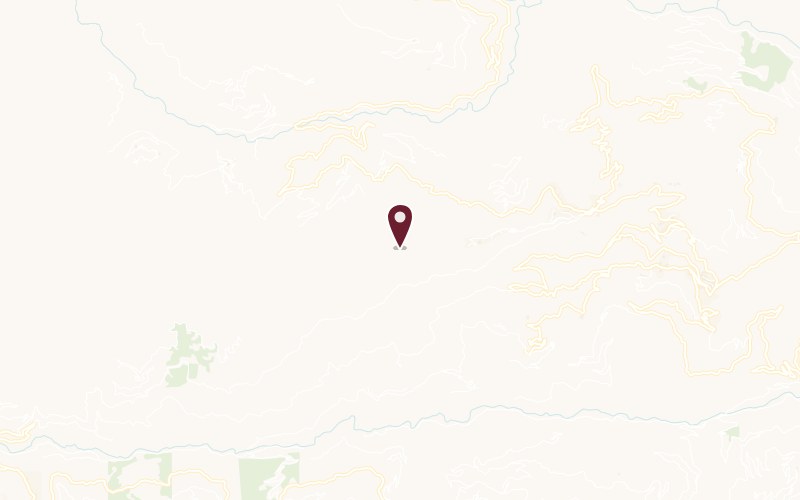
27.29520°N, 88.20440°E
Key Facts
- ◆ Founded in the seventeenth century by Lhatsun Rimpoche, who introduced Buddhism to Sikkim.
- ◆ Kachu Rimpoche — the eighth tulku in an unbroken line from Lhatsun Rimpoche — was abbot here while a close friend of Sangharakshita.
- ◆ Sangharakshita rode up to the monastery on a pony, having left Kachu Rimpoche's jeep where the track became impassable.
- ◆ He saw a remarkable three-dimensional mandala in an upstairs room — a celestial palace about six feet high, made of wood and overarched by a painted wooden rainbow.
- ◆ Kachu Rimpoche pulled out a large silver head of Padmasambhava from under his bed — strikingly lifelike, as he was also a skilled painter, sculptor and metallurgist.
“When I told [Kachu Rimpoche] I wanted to visit Pemayangtse Gompa, he at once offered to provide the transport.”
Pemayangtse, ‘Monastery of the Glorious Lotus’, had been founded in the seventeenth century by Lhatsun Rimpoche, the learned Tibetan lama mainly responsible for introducing Buddhism into Sikkim. According to legend, Padmasambhava had also been there before him.
Sangharakshita rode up on a pony from the point where the track became too narrow for the jeep — his Theravādin cotton robes not ideally suited to equestrian pursuits. He tied his inner robe like a dhoti to sit astride more easily, though the saddle was simply a piece of sacking.
“Though I was glad to see my friend, I was especially glad to see him at his abbatial seat. He was no less glad to see me, and received me warmly. In the course of my short visit I did not see the shrine-room of the monastery, so far as I remember, but in an upstairs room I did see a wonderful three-dimensional mandala in the form of a celestial palace. About six feet high, and made of wood, it was overarched by a painted wooden rainbow.”
Kachu Rimpoche then reached under his bed and produced a large, strikingly lifelike silver head of Padmasambhava.
— In the Sign of the Golden Wheel
Source: In the Sign of the Golden Wheel
Contribute
Help keep this resource accurate and alive. You can leave a comment, suggest a correction, or submit a photo taken on your pilgrimage. All contributions are reviewed before publishing.
PUBLIC_WEB3FORMS_KEY in your environment variables.