Formative Years
England · c.1940–1944
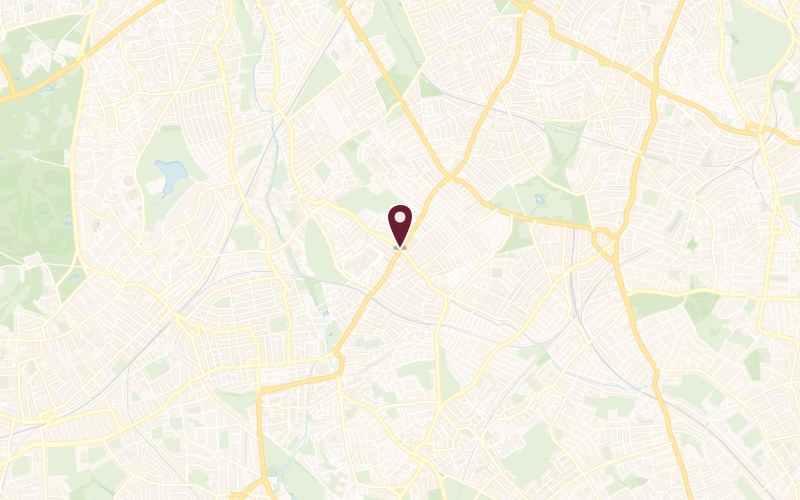
Tooting Public Library
South London, England · c.1940
The place where Sangharakshita discovered the Diamond Sutra and the Platform Sutra — the pivotal moment when, as a teenager, he read them and knew with certainty 'I am a Buddhist'.
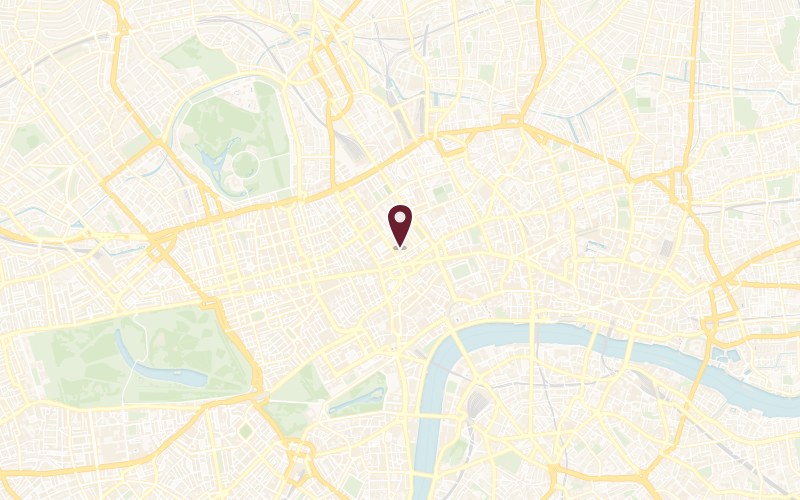
Buddhist Society, Great Russell Street (Early Premises)
London, England · c.1942–1944
The Buddhist Society at its Bloomsbury premises near the British Museum — where Sangharakshita attended meetings as a teenager, his first contact with an organised Buddhist community in England, before it later moved to Eccleston Square.
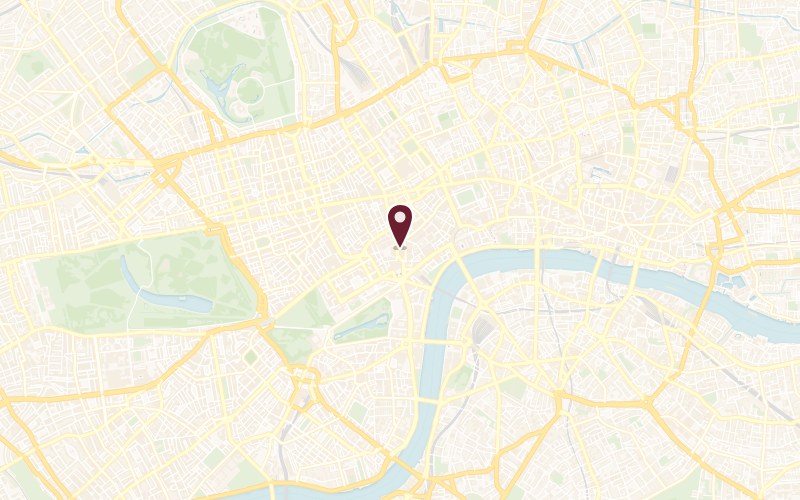
John Watkins Bookshop, Cecil Court, London
London, England · c.1942–1944
The specialist esoteric and Eastern religion bookshop on Cecil Court off Charing Cross Road — Sangharakshita's primary source for Buddhist and Theosophical texts before his army service, during the years when he was forming himself as a Buddhist.
Wartime Posting
Ceylon & India · 1944–1948
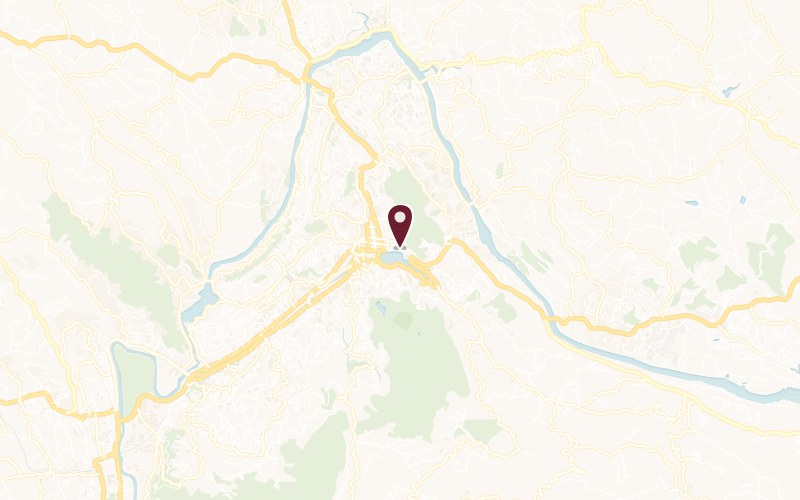
Temple of the Sacred Tooth Relic (Sri Dalada Maligawa), Kandy
Kandy, Sri Lanka · 1944–1945
The holiest Buddhist temple in Sri Lanka — home of the Buddha's left canine tooth relic — which Sangharakshita visited during his army posting in Ceylon, his first encounter with a major sacred site of living Theravada Buddhism.
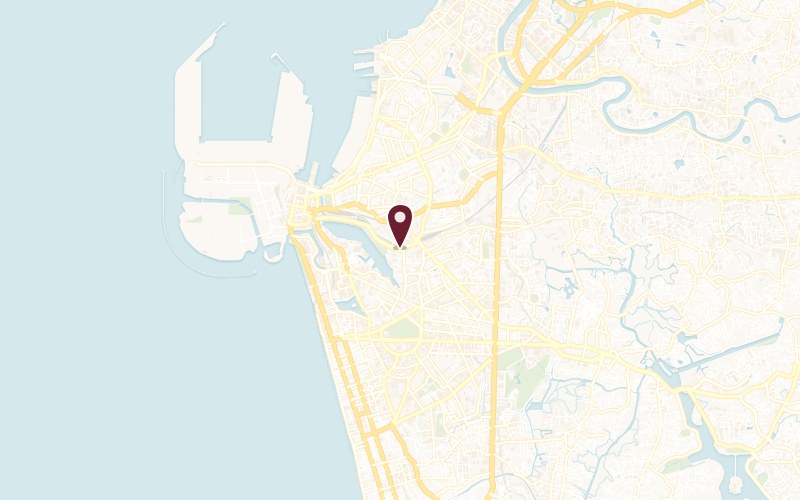
Ramakrishna Ashram, Colombo
Colombo, Sri Lanka · 1944–1945
As a nineteen-year-old British soldier, Sangharakshita made his way to the Colombo Ramakrishna ashram and spent seven months imbibing 'something of the spirit of Indian culture and something of their own enthusiasm for the spiritual life' — an encounter that shaped everything that followed.
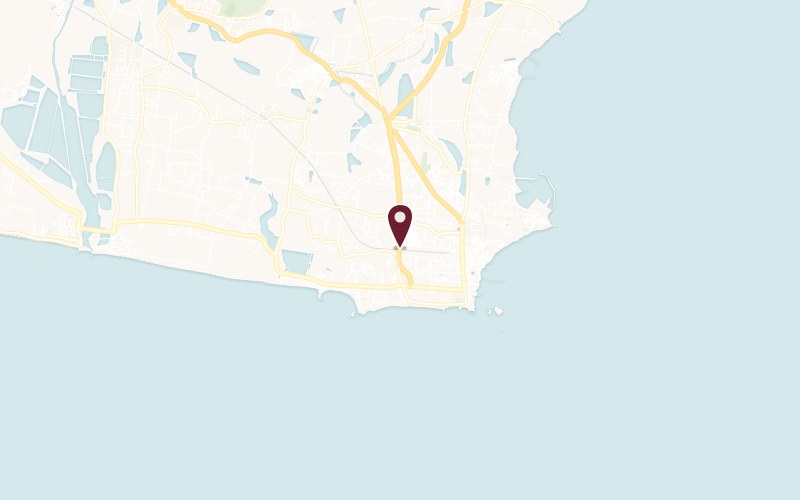
Kanya Kumari (Cape Comorin) — Southernmost India
Tamil Nadu, India · 1947–1948
The southernmost tip of India, where the Arabian Sea, Bay of Bengal, and Indian Ocean meet — a sacred Hindu pilgrimage site and the starting point from which Sangharakshita and Satyapriya planned to walk north to the Himalayas.
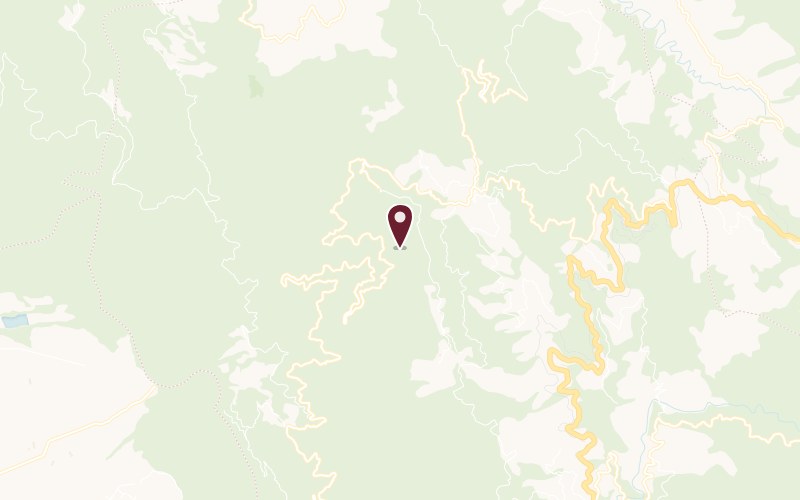
Kasauli — The Going Forth, 18 August 1947
Himachal Pradesh, India · 1947
At Kasauli in the Himalayan foothills — three days after Indian Independence — Sangharakshita and Satyapriya formally renounced the world, donned ochre robes, shaved their heads, and 'went forth' as homeless wanderers. The biographical start of Sangharakshita's monastic journey.
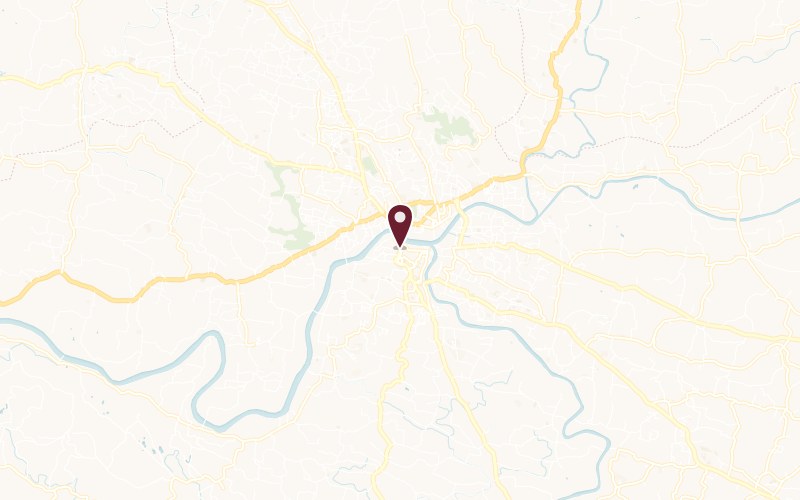
Ramakrishna Mission Ashram, Muvattupuzha
Kerala, India · 1947–1949
Sangharakshita and Satyapriya lived for approximately fifteen months at this ashram in Muvattupuzha — the 'Town of the Three Rivers' — the longest and most important residence of their wandering years. Here Sangharakshita deepened his meditation, experienced visions, and clarified his commitment to Buddhism over Hinduism.
The Homeless Pilgrim
South India & Nepal · 1948–1950
Anandashram, Kanhangad
Kerala, India · 1948–1949
The ashram of the saint Swami Ramdas at the foot of a hill near Kanhangad — where Sangharakshita and Satyapriya stayed twice, and where Ramdas spontaneously gave Sangharakshita the mantra Om Mani Padme Hum as 'your mantra'.
Virupaksha Cave, Arunachala, Tiruvannamalai
Tamil Nadu, India · c.1948–1949
The cave on the sacred hill Arunachala — Ramana Maharshi's first dwelling — where Sangharakshita had his celebrated vision of Amitabha Buddha: a luminous red figure of such depth and clarity that he could still see it perfectly nearly twenty-five years later.
Benares Hindu University — Buddha Kuti (Bhikkhu Kashyap's Residence)
Varanasi, India · 1949–1950
After parting from Buddharakshita, Sangharakshita lived for seven months at 'Buddha Kuti' on the BHU campus, studying Pali, Abhidhamma, and Logic with Bhikkhu Jagdish Kashyap — 'seven of the quietest and happiest months I have ever known'.
Burmese Vihara and U Chandramani's Residence, Kusinara
Kusinara, India · 1949–1956
At the site of the Buddha's Parinirvana, Sangharakshita received his sramanera (novice monk) ordination from the aged U Chandramani in 1949 — and returned in 1956 to find U Chandramani just back from administering the Refuges to Dr Ambedkar at Nagpur.
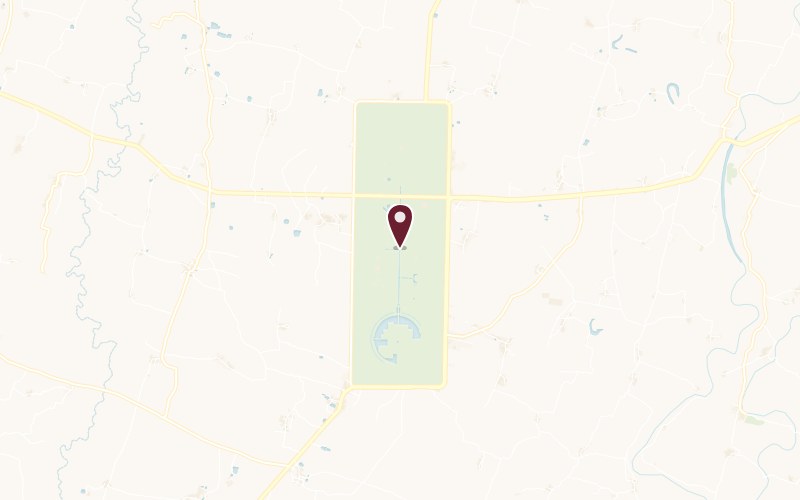
Lumbini — Birthplace of the Buddha
Rupandehi District, Nepal · 1949
Shortly after his ordination, Sangharakshita and Buddharakshita crossed into Nepal to visit Lumbini — the birthplace of the Buddha, then in a neglected state — and scattered flowers at the foot of Ashoka's pillar bearing the inscription 'Here the Blessed One was born'.
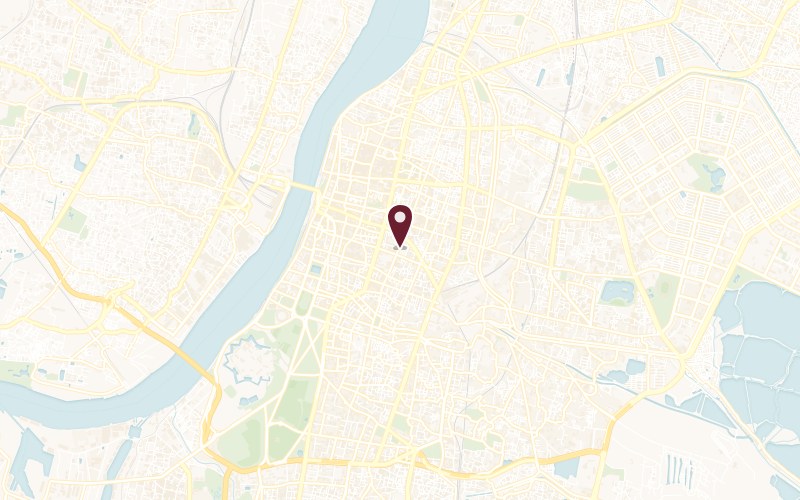
Maha Bodhi Society Headquarters, College Square, Calcutta
Calcutta, India · 1949–1957
The nerve-centre of Buddhist institutional life in India — Sangharakshita repeatedly stayed here, effectively editing the Maha Bodhi journal, giving weekly public lectures, and using it as the hub for his work across the subcontinent.
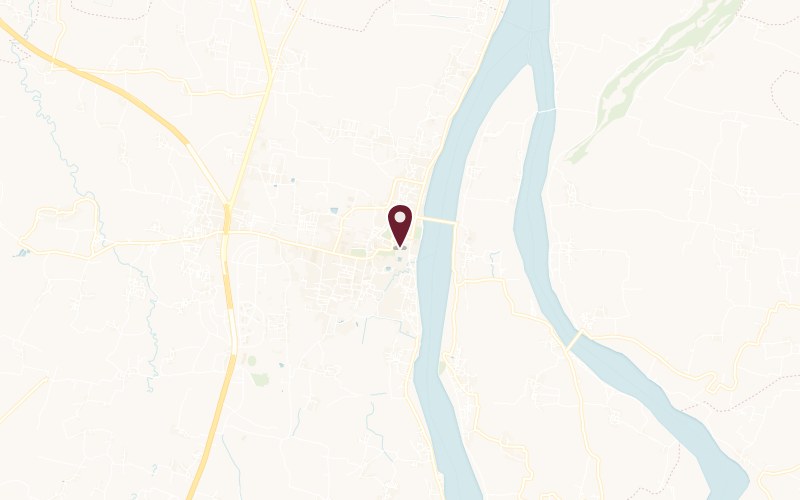
Maha Bodhi Temple, Bodh Gaya
Bodh Gaya, India · 1949–1956
The site of the Buddha's Enlightenment — Sangharakshita first visited in 1949 and wrote that Bodh Gaya had 'made me its own'; he returned on the 1956 Buddha Jayanti pilgrimage and raised the issue of Buddhist access to the vajrasana with the President of India.
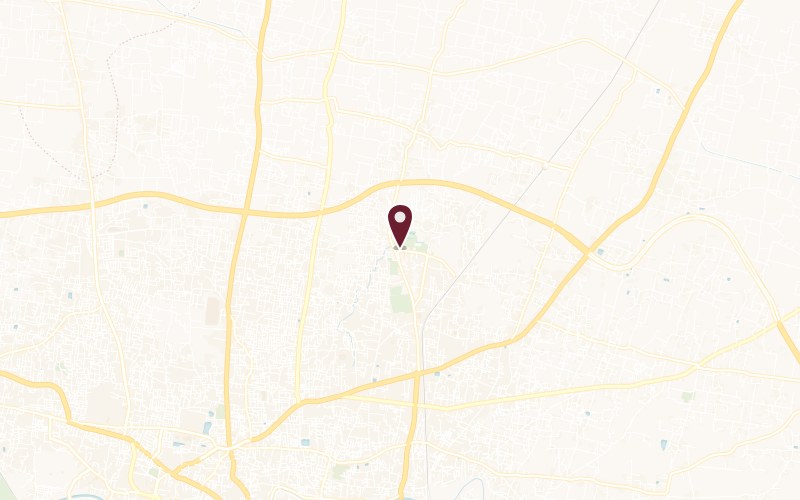
Mulagandhakuti Vihara, Sarnath
Sarnath, India · 1949–1956
The site of the Buddha's First Sermon and the pink sandstone temple built by Anagarika Dharmapala — Sangharakshita received his higher bhikkhu ordination at the adjacent Burmese Temple here in 1950, and returned on pilgrimage in 1956.
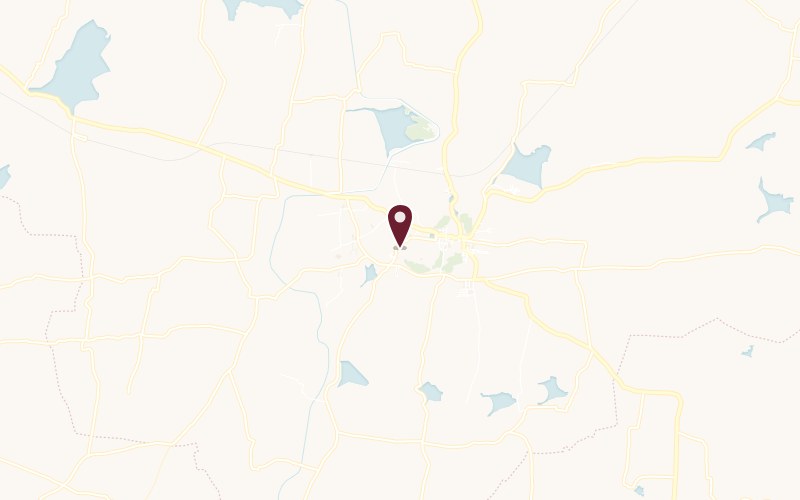
Sravana Belgola — Gomateshwara Statue, Karnataka
Karnataka, India · c.1949
One of the most extraordinary religious monuments in India — a 57-foot monolithic statue of the Jain saint Gomateshwara, visible for miles — which Sangharakshita and Satyapriya visited during their pilgrimage through Karnataka.
The Kalimpong Years
Eastern Himalayas · 1950–1964
 Limited access
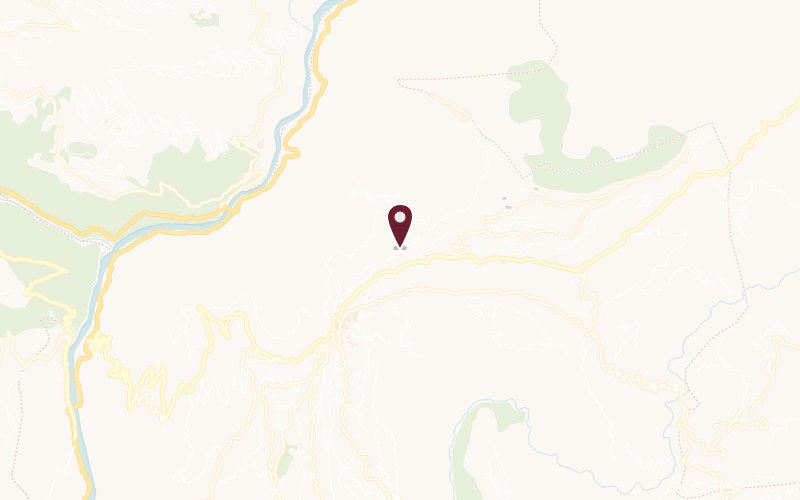
Bhutan House
Kalimpong, India · 1950s
Bhutan House at Twelfth Mile, where Dhardo Rimpoche stayed for some time. Currently inaccessible to visitors.
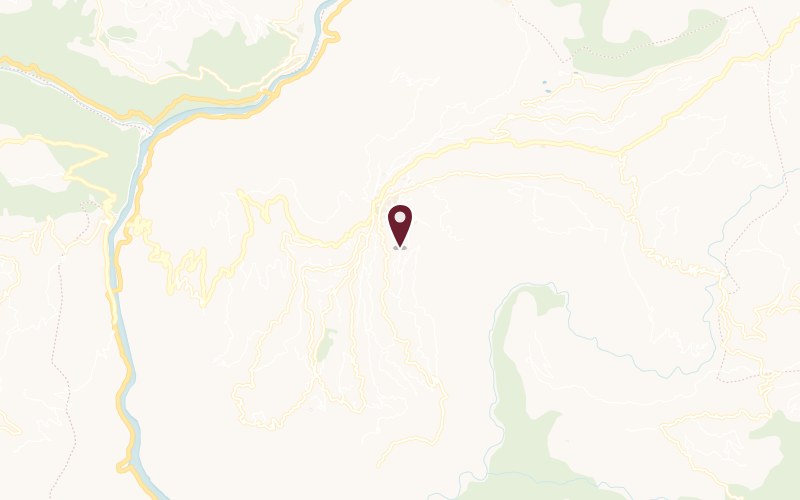
Dharmodaya Vihara
Kalimpong, India · March 1950 – early 1951
The first place Sangharakshita lived in Kalimpong — the 'Monastery of the Rise of the Teaching' on the acclivity above town.
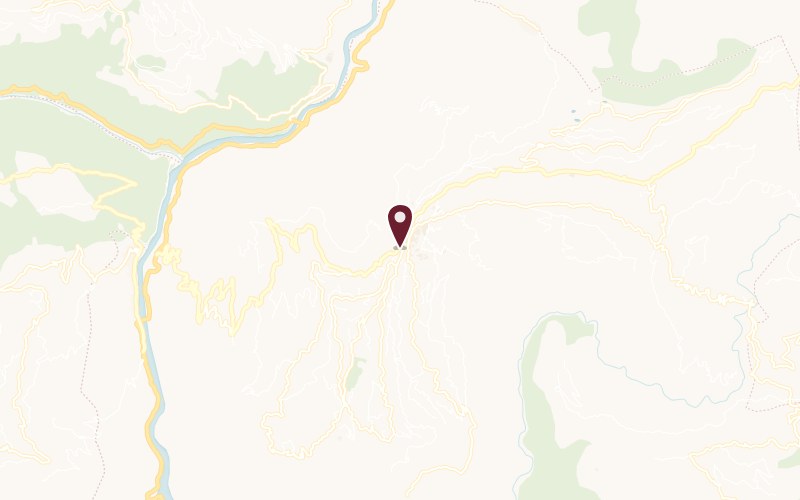
Indo-Tibetan Buddhist Cultural School (ITBC)
Kalimpong, India · 1950s – 1964
Dhardo Rimpoche's school in Kalimpong — now home to a museum. A significant site in Bhante's Kalimpong network.
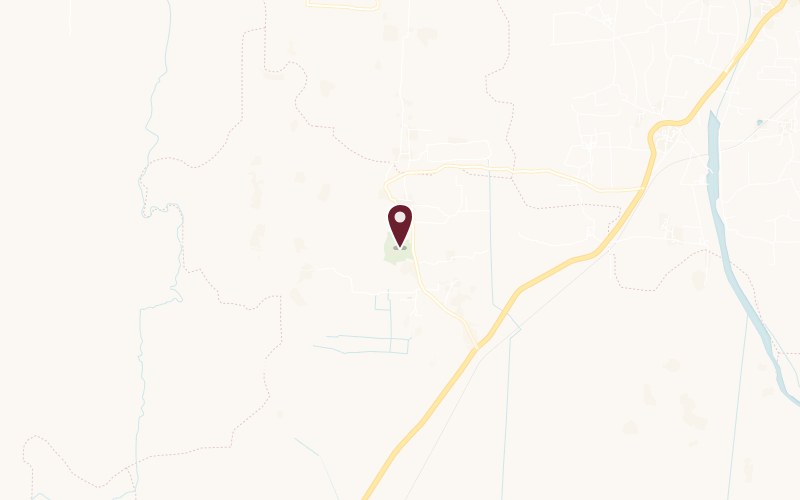
Nalanda Maha Vihara — Ruins
Bihar, India · 1950
Sangharakshita and Bhikkhu Kashyap visited the ruins of Nalanda — the greatest Buddhist monastic university of the ancient world, destroyed in the 12th century — and wondered whether a new Nalanda would ever rise from the ashes of the old.
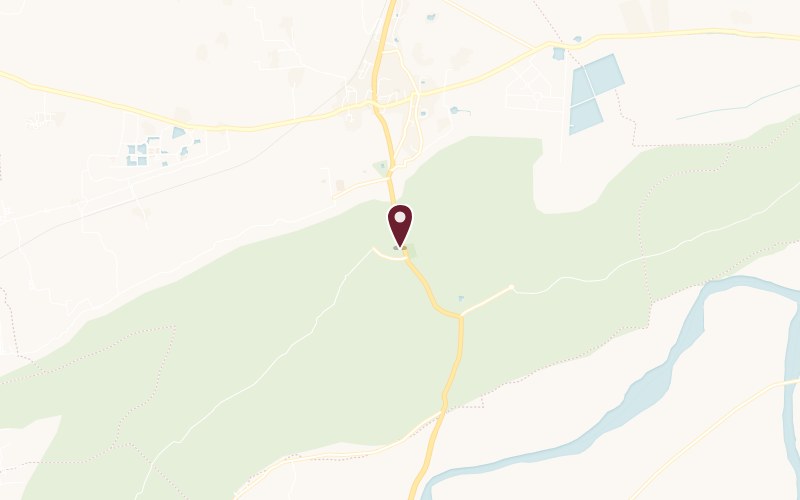
Vulture Peak (Gridhrakuta), Rajgir
Bihar, India · 1950
The rocky outcrop above ancient Rajagriha where the Buddha taught the White Lotus Sutra — Sangharakshita's ascent of the Vulture Peak was a spiritual highpoint of his entire pilgrimage, and he prayed there that all beings might hear the Voice of the Buddha.
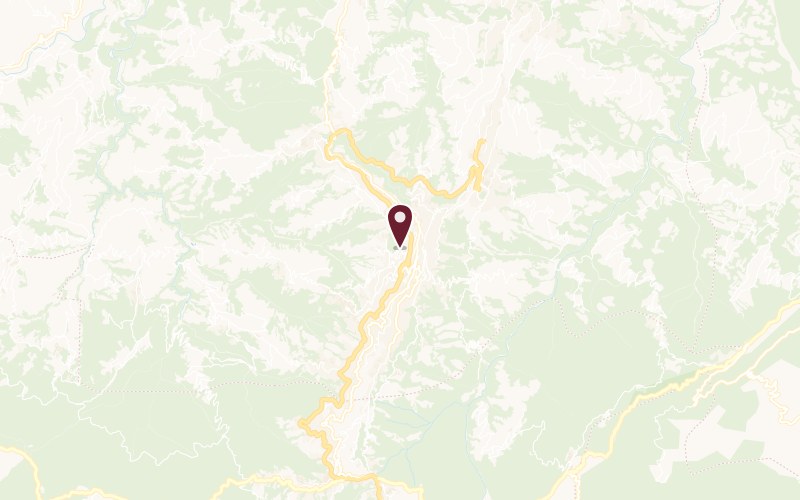
Tamyang Monastery
Darjeeling, India · c. 1950 – 1955
The Nyingma pagoda-temple in the heart of Darjeeling where Sangharakshita first encountered the figure of Padmasambhava — a moment he described as the spiritual climax of his entire visit.
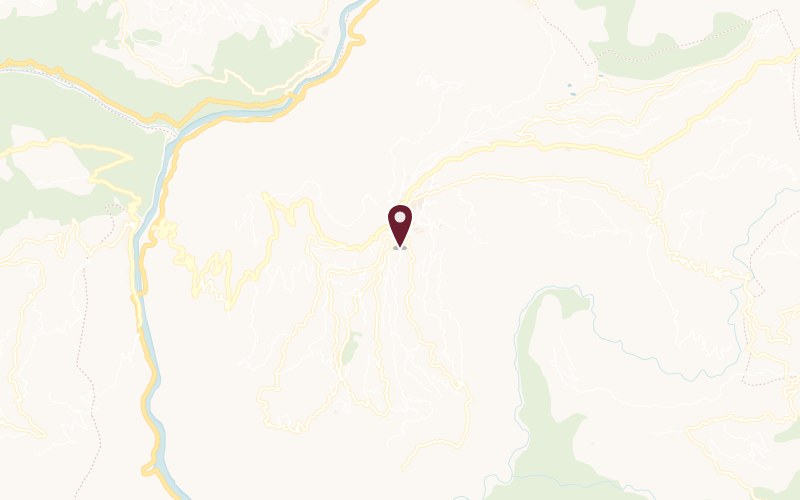
Tharpa Choling Gompa (Tirpai Gompa)
Kalimpong, India · 1950–1964
Kalimpong's biggest Tibetan Buddhist monastery, on a spur below the bazaar near Tirpai — founded by Tomo Geshe Rimpoche and the site where the Sacred Relics of the two arhants were received and Sangharakshita had philosophical discussions with the abbot.
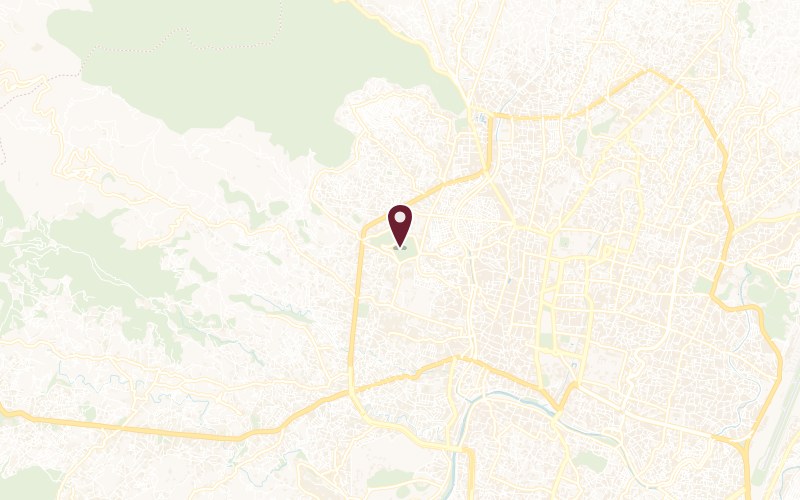
Ananda Kuti Vihara, Swayambhunath, Kathmandu
Kathmandu, Nepal · 1951
The small Theravada monastery on the slopes of Swayambhunath Hill that served as headquarters of the Dharmodaya Sabha — where the Sacred Relics of the two arhants were kept and exposed for a week, drawing hundreds of white-clad Newar Buddhists daily to worship.
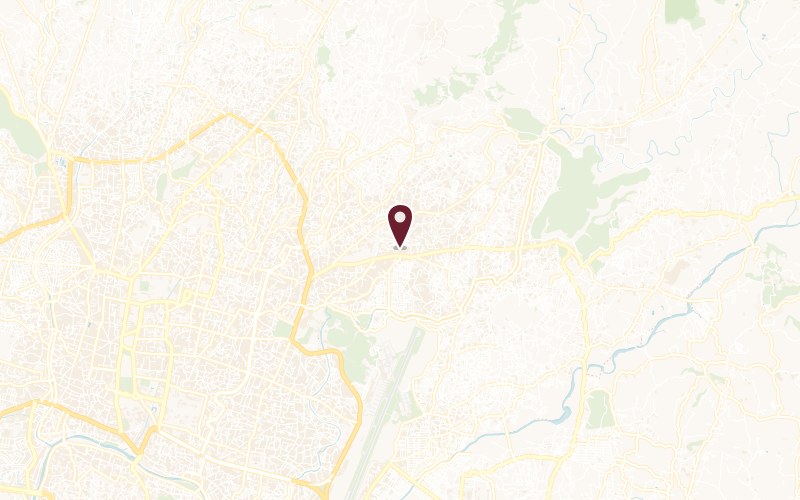
Bodhnath Stupa (Boudhanath), Kathmandu
Kathmandu, Nepal · 1951
The great stupa east of Kathmandu said to contain relics of the former Buddha Kashyapa — about a hundred feet high and ringed with prayer wheels — where Sangharakshita visited and met the 'Chinia Lama' whose daughter served as interpreter.
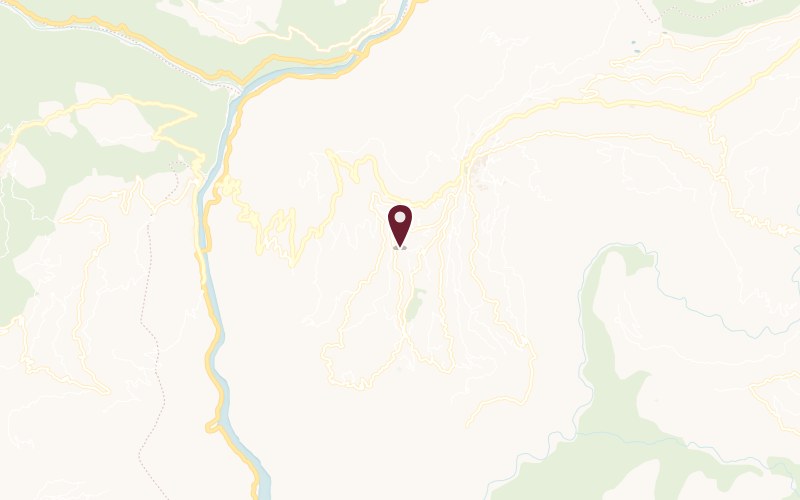
Panorama & Guest Cottage of Burma Raja
Kalimpong, India · 1951 – c. 1954
A pair of red-roofed bungalows on the open hillside along Upper Cart Road — the guest cottage became Sangharakshita's home and the editorial office of Stepping-Stones magazine.
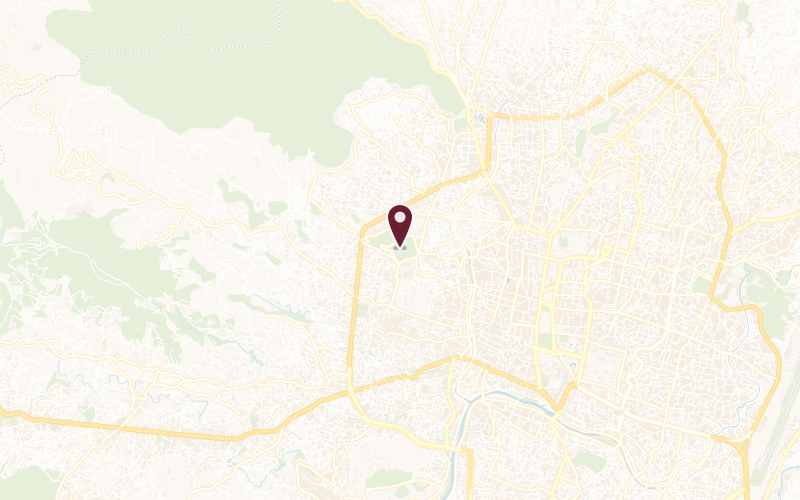
Swayambhunath Stupa, Kathmandu
Kathmandu, Nepal · 1951
The great stupa on the sacred hill west of Kathmandu — one of the oldest Buddhist sites in the world — where Sangharakshita climbed to the summit and circumambulated the gilded dome with its famous painted eyes that 'regarded one steadily… even followed one as one circumambulated'.
Chetiyagiri Vihara and Sanchi Stupas
Sanchi, India · 1952
The site of one of the great events of Indian Buddhist history: the re-enshrinement of the Sacred Relics of the arhants Shariputra and Maudgalyayana into the newly built Chetiyagiri Vihara on 30 November 1952, attended by Dr Radhakrishnan and Pandit Nehru.
Gate Lodge, Barnes High School, Deolali
Maharashtra, India · 1952
The Gate Lodge of Barnes High School — a substantial grey stone Raj-era building straddling the school road at Deolali cantonment, where Lama Govinda and Li Gotami lived and where Sangharakshita spent a week in December 1952 in their company, viewing Li Gotami's Tsaparang fresco-copies and Lama Govinda's 'cosmic abstract' oil pastels.
Yiga Choeling Monastery (Ghoom)
Darjeeling, India · c. 1952 – 1964
The famous Ghoom Monastery where Sangharakshita visited with Lama Govinda and Li Gotami, moving through the dimly lit chamber past a colossal golden Maitreya. Dhardo Rimpoche later became abbot here.
Everton Villa
Kalimpong, India · 1954 – 1956
An isolated hillside bungalow on the outskirts of the Development Area where Sangharakshita wrote A Survey of Buddhism.
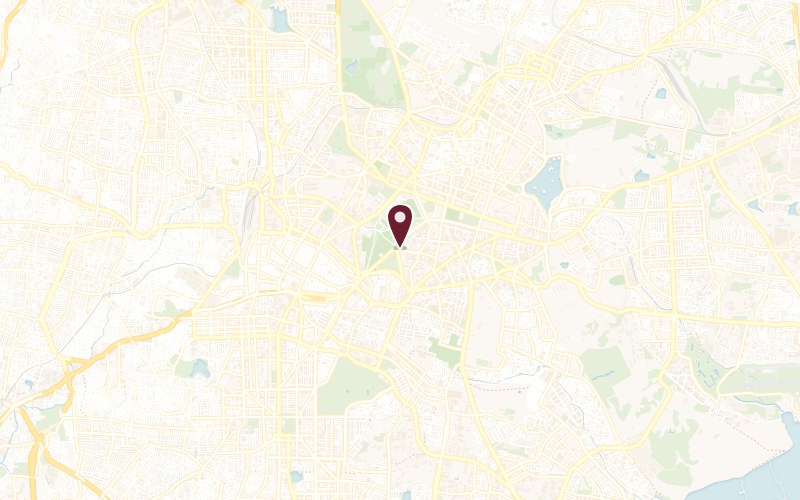
Indian Institute of Culture (Maitri Bhavan), Bangalore
Bangalore, India · 1954
Sangharakshita delivered the four lectures here in 1954 that became A Survey of Buddhism — one of the most influential modern Buddhist books — to a hall that grew more packed with each session.
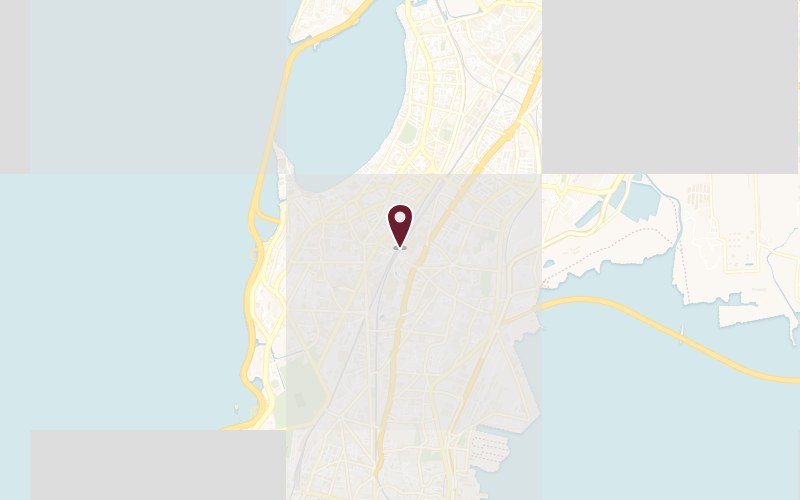
Ananda Vihara, Maha Bodhi Society, Bombay
Bombay, India · 1955–1956
Sangharakshita's base during his 1955–56 Bombay period — a modest two-storey building in the Nair Hospital compound near Bombay Central, from which he made contact with Dr Ambedkar's followers and launched a transformation of Buddhist work in the city.
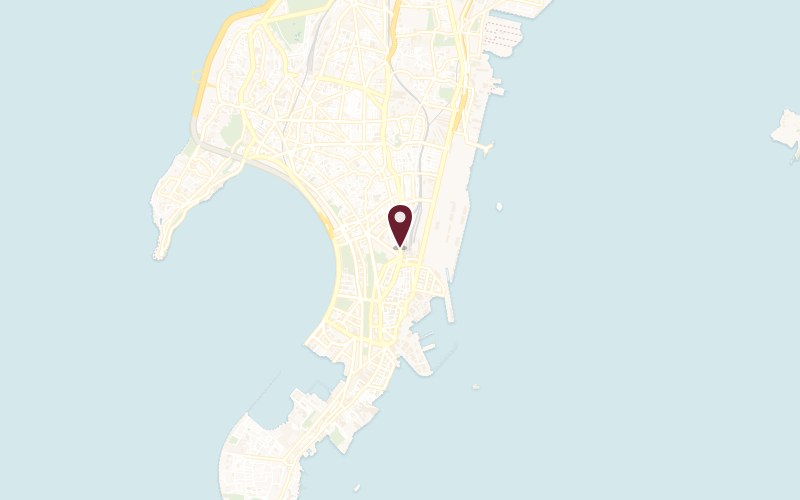
Buddha Bhavan, Siddharth College, Fort, Bombay
Bombay, India · 1955
Sangharakshita met Dr B. R. Ambedkar on Christmas Day 1955 in his top-floor office at Buddha Bhavan — the meeting at which Ambedkar laid out his entire plan for the mass conversion of the Scheduled Castes to Buddhism.
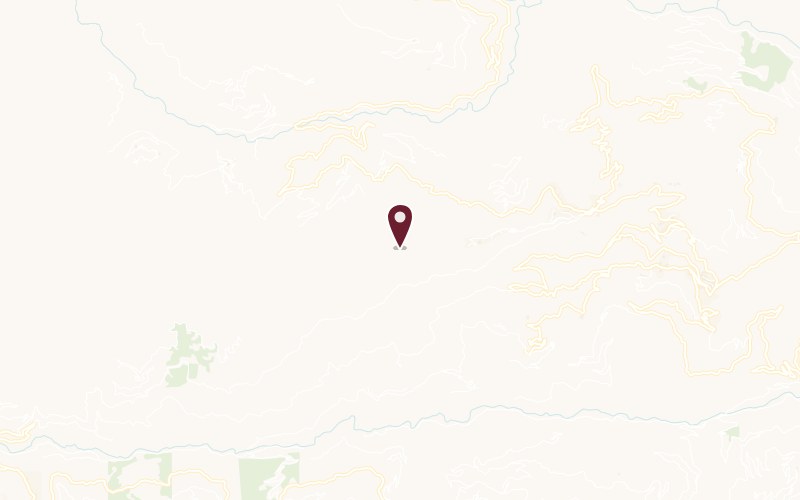
Pemayangtse Monastery
Pelling, Sikkim, India · c. 1955 – 1960
The 'Monastery of the Glorious Lotus' — abbatial seat of Kachu Rimpoche, one of Sangharakshita's closest friends, whom he visited on horseback through the mountains of western Sikkim.
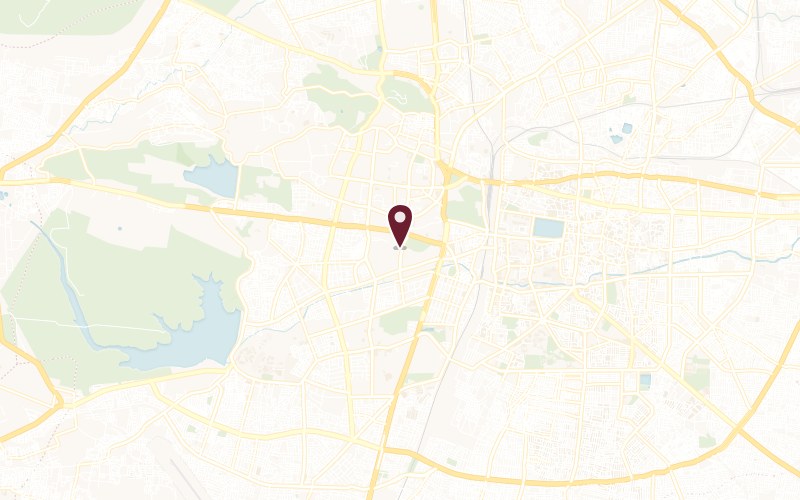
Kasturchand Park and Nagpur Buddhist Localities
Nagpur, India · 1956
Sangharakshita was in Nagpur on the very morning Ambedkar died — 6 December 1956 — and over four days addressed nearly 200,000 grief-stricken followers at approximately 30 mass meetings, initiating around 30,000 people into Buddhism.
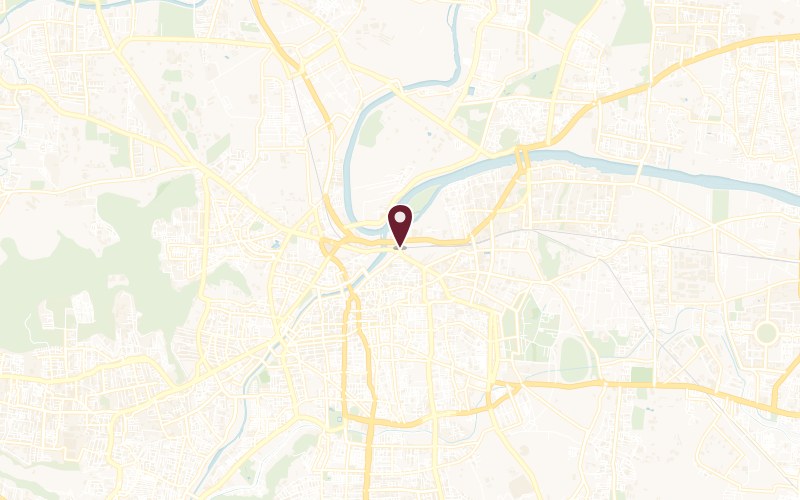
Nature Cure Clinic, Tadiwalla Road, Poona
Poona, India · 1956
Sangharakshita spent five to six weeks of intensive meditation at Dr Mehta's spacious Nature Cure Clinic in Poona in early 1956, keeping a detailed meditation diary and presiding over the inauguration of the Poona branch of the Society of Servants of God. Gandhi had also stayed here in the 1940s.
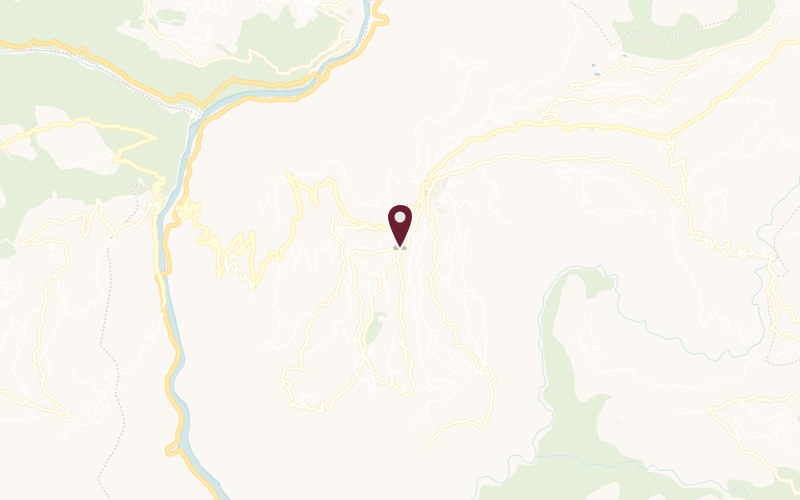
The Hermitage
Kalimpong, India · 1956 – 1957
A bungalow near Ninth Mile that Sangharakshita fell in love with immediately. The owners, pleased to have him there, renamed it The Hermitage in his honour.
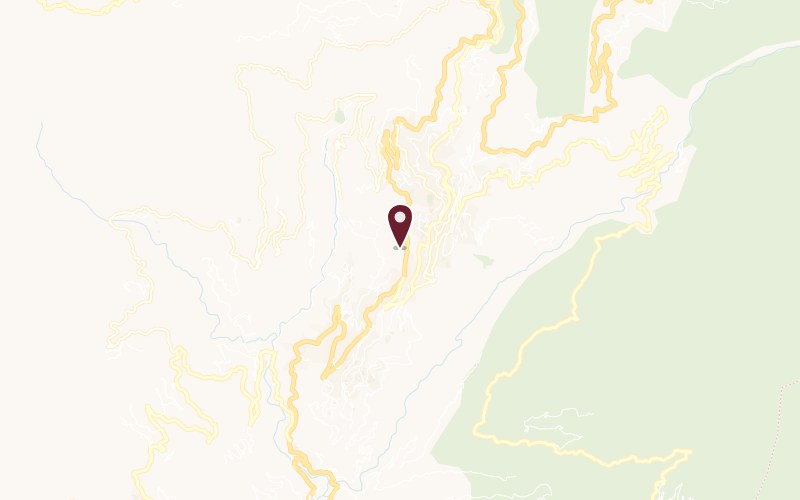
Tsuglakhang Monastery (Former Royal Temple)
Gangtok, Sikkim, India · c. 1956 – 1963
The white-walled, yellow-roofed palace temple in Gangtok where Sangharakshita lectured at the invitation of the Crown Prince and received a profound thangka from Jamyang Khyentse Rimpoche.
Triyana Vardhana Vihara
Kalimpong, India · 1957 – 1964
The 'Vihara Where the Three Yānas Flourish' — Sangharakshita's first permanent monastic centre, where he received almost all his sadhanas and from which he taught across India.
Tongsa Gompa (Bhutanese Gompa)
Kalimpong, India · c. 1958 – 1963
The Bhutanese gompa near Tenth Mile where Sangharakshita first met Dilgo Khyentse Rimpoche — and where the great lama gave him three initiations.
Cooch Behar House (now Elgin Hotel)
Darjeeling, India · October 1962
The white-walled palace where Jamyang Khyentse Rimpoche presided over the intimate ceremony in which he empowered Sangharakshita to practise the sadhanas of four bodhisattvas. Now the Elgin Hotel.
Return & Renewal
England · 1964 onwards
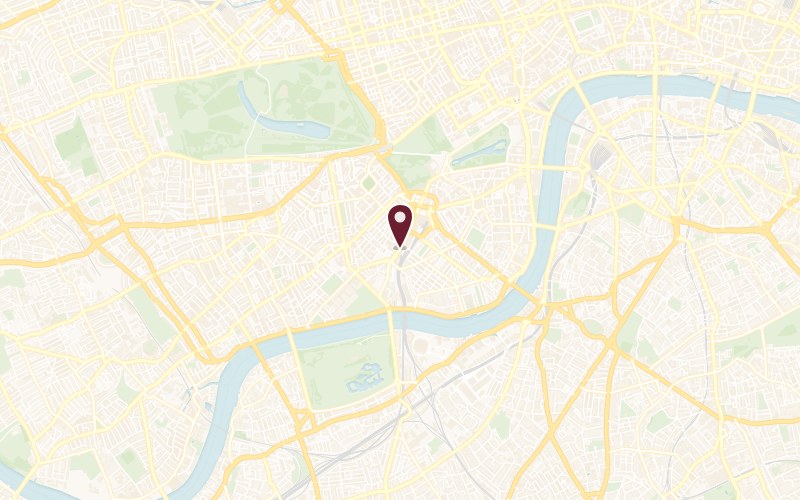
Buddhist Society, Eccleston Square
London, England · 1964–1967
The premises of the Buddhist Society near Victoria Station, where Sangharakshita lectured every Friday evening on his return to England. After lectures, ten or twelve participants would adjourn to the nearby Jiffy Bar for discussion.
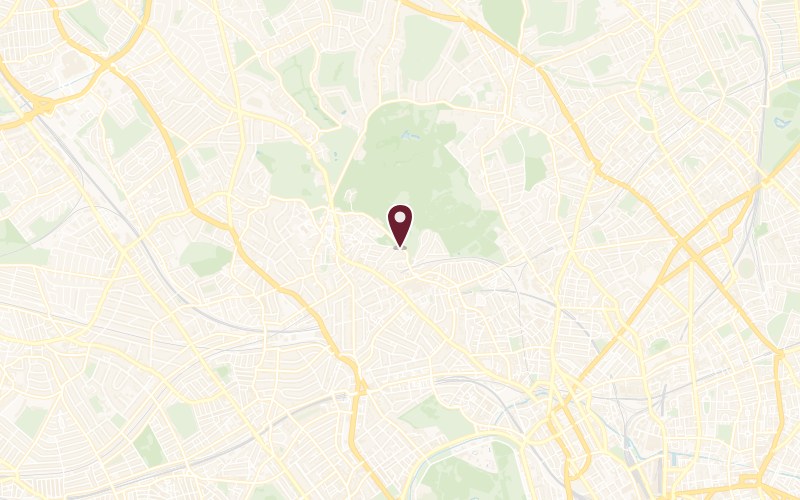
Burgh House, Hampstead
London, England · 1964–1965
An eighteenth-century house in the heart of old Hampstead used as a temporary lecture venue while the Hampstead Vihara's meeting room was being refurbished. Now a public museum and arts venue at Well Walk.
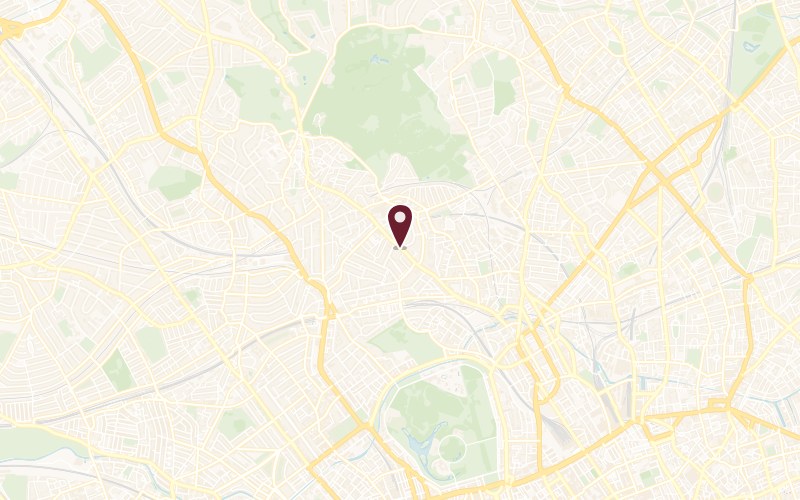
Hampstead Buddhist Vihara
London, England · 1964–1967
The institutional base from which Sangharakshita relaunched Buddhism in Britain after twenty years in India — a narrow Victorian terrace on Haverstock Hill, opposite a pub, a short walk from Belsize Park Underground.
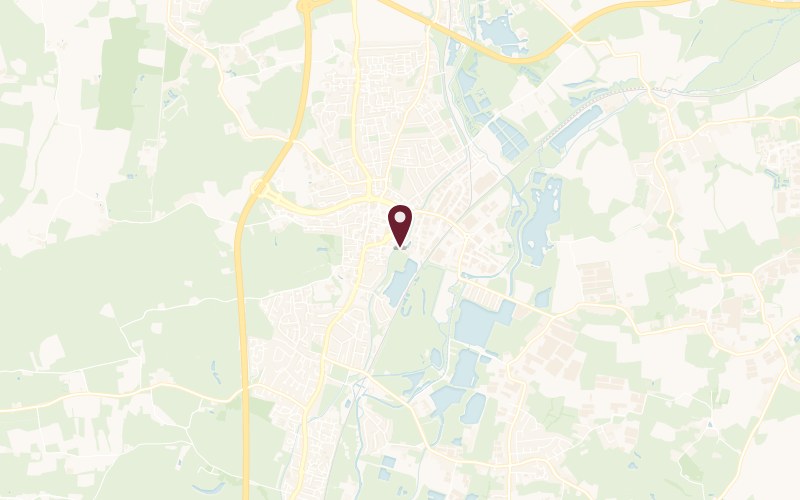
High Leigh Conference Centre, Hoddesdon
Hertfordshire, England · 1964–1965
A conference centre on the outskirts of Hoddesdon where the Buddhist Society held its annual summer school — described as 'the highlight of the British Buddhist year'. Sangharakshita taught here in 1964 and 1965.
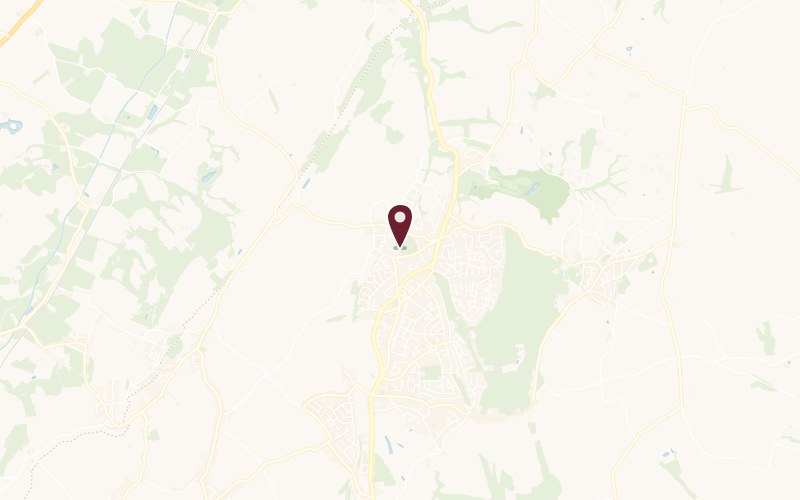 Limited access
Biddulph Old Hall
Staffordshire, England · 1965–1966
The Sangha Trust's retreat centre on the Staffordshire–Cheshire border, housed in a fragment of a Civil War-era manor house — site of the first lay ordination Sangharakshita performed in England.
 Limited access
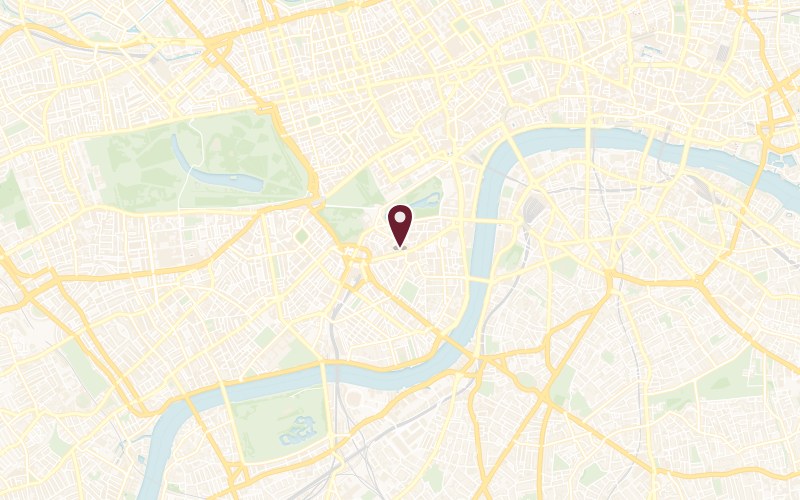
Caxton Hall, Westminster
London, England · 1965–1966
A public hall in Westminster used by the Buddhist Society for its annual Wesak celebrations. Sangharakshita gave the principal address at the 1965 and 1966 Wesak meetings here, urging a more joyful spirit in British Buddhist observance.
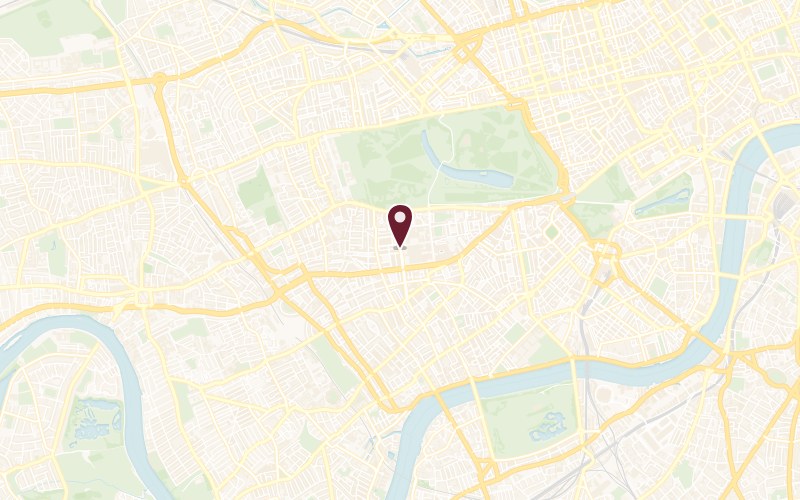
College of Psychic Science, South Kensington
London, England · 1965–1966
A college down a side street in South Kensington where Sangharakshita gave fortnightly lectures — and the place where Terry Delamare first approached him after the lecture 'Buddhism and the Problem of Death', beginning a friendship with far-reaching consequences for Western Buddhism.
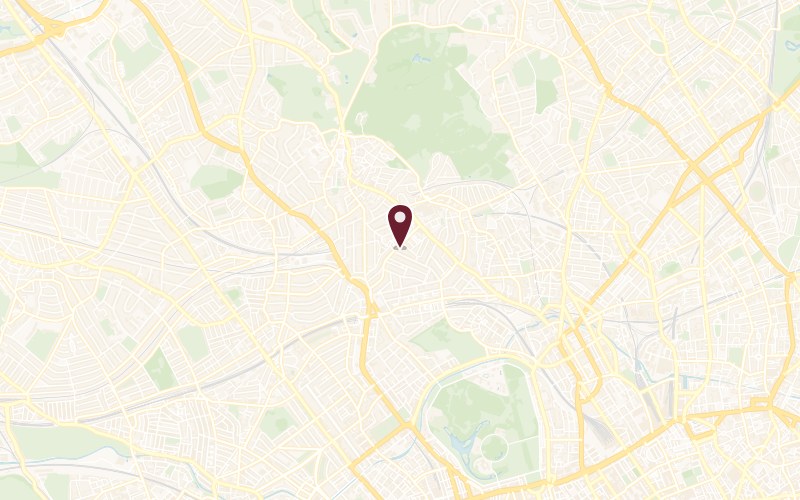
3 Lancaster Grove ('The Other Vihara')
London, England · 1965–1967
A flat equidistant from Belsize Park and Swiss Cottage stations that Sangharakshita called 'the Other Vihara' — his private retreat from the public life of the Hampstead Vihara, and the place where he felt his centre of spiritual gravity begin to shift in ways with 'far-reaching consequences for Western Buddhism'.
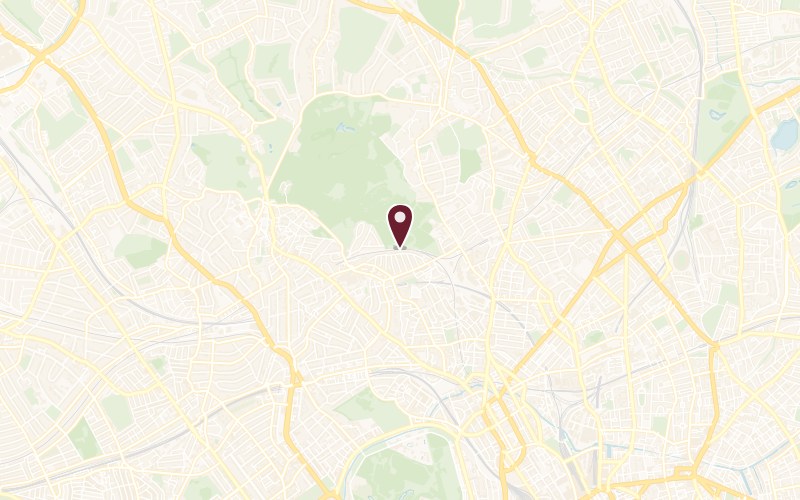
Parliament Hill and Hampstead Heath
London, England · 1965–1970
The broad open heath between Hampstead and Highgate was a recurring site of significance during Sangharakshita's England years — from midnight walks with Terry Delamare to the transformative experience on Parliament Hill in 1970.
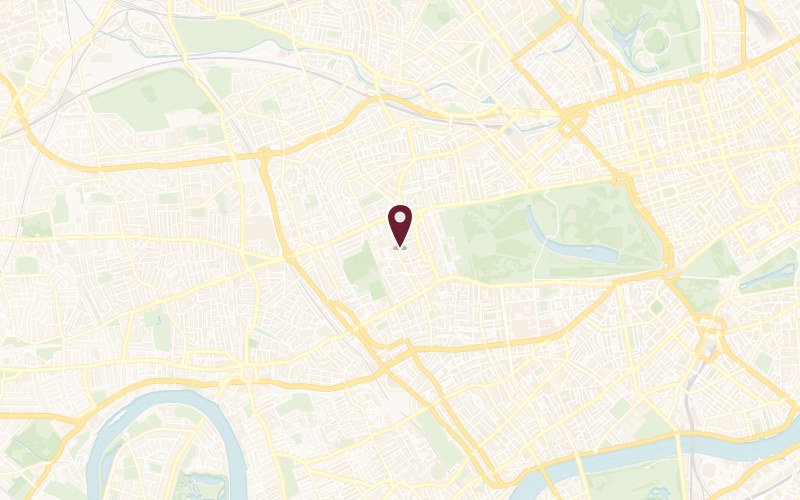
Centre House, Campden Hill Road
London, England · 1967–1970
A large Victorian building at the top of Campden Hill Road, Kensington, where the twelve founding members of the Western Buddhist Order were formally ordained on Sunday 7 April 1968 — and where Sangharakshita gave his influential autumn lecture series in 1969 and 1970.
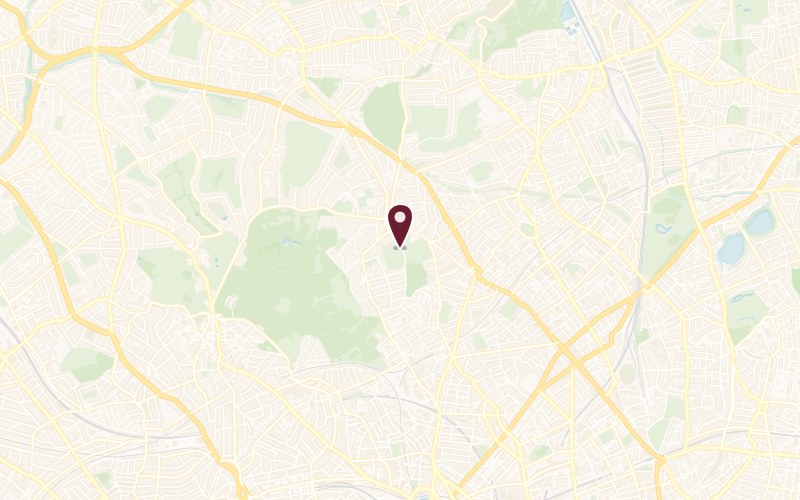
Flat at Highgate West Hill
London, England · 1967–1970
Sangharakshita's home on the third floor of an old terraced house at the lower end of Highgate West Hill — his principal residence during the most critical period of his life in England, covering the founding of the FWBO and the Western Buddhist Order.
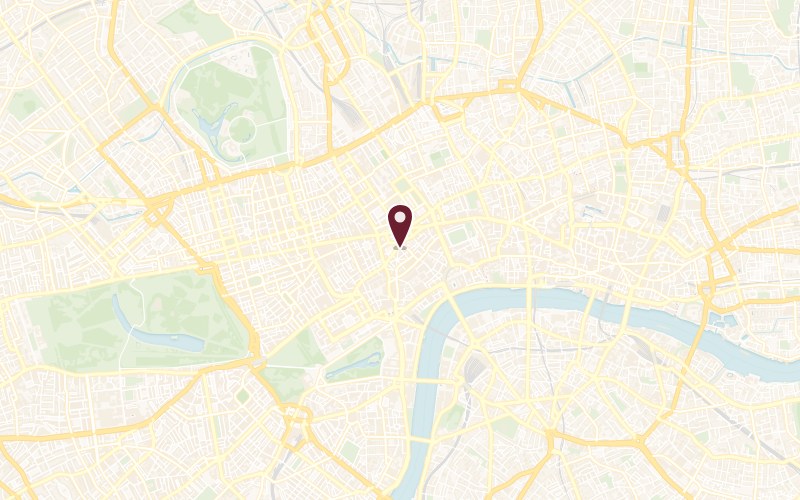 Limited access
Sakura Basement / Triratna Shrine Room, Monmouth Street
London, England · 1967–1970
A tiny basement beneath the Japanese shop Sakura, halfway down Monmouth Street between Charing Cross Road and Covent Garden — the birthplace of the Friends of the Western Buddhist Order. Private ordinations into the Western Buddhist Order were given here in the ten days leading up to 7 April 1968.
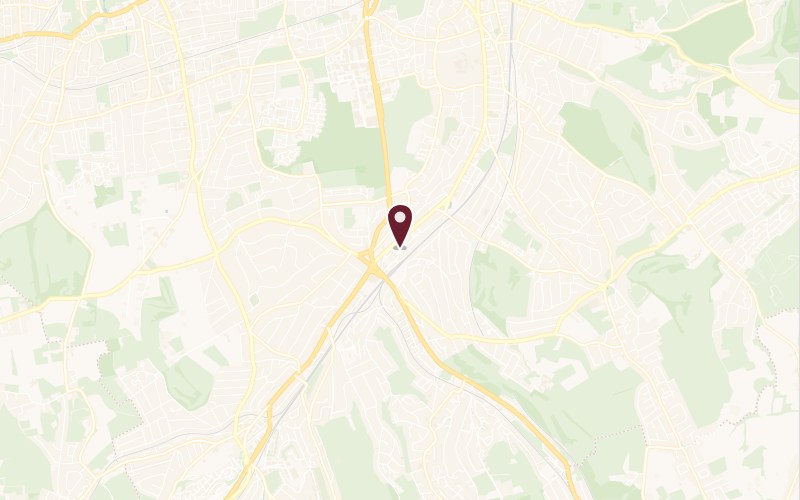 Limited access
Aryatara — Early FWBO Community, Purley
Purley, Surrey, England · 1968–1989
Aryatara ('Noble Star'), originally known as Sarum House, was one of the earliest FWBO residential communities, in Purley, south London, connected to the Croydon Buddhist Centre. From Sangharakshita's departure in 1973 until 1980, his entire Order Library was housed here. He visited regularly over two decades and stayed here on his visits to the Croydon sangha.
 Limited access
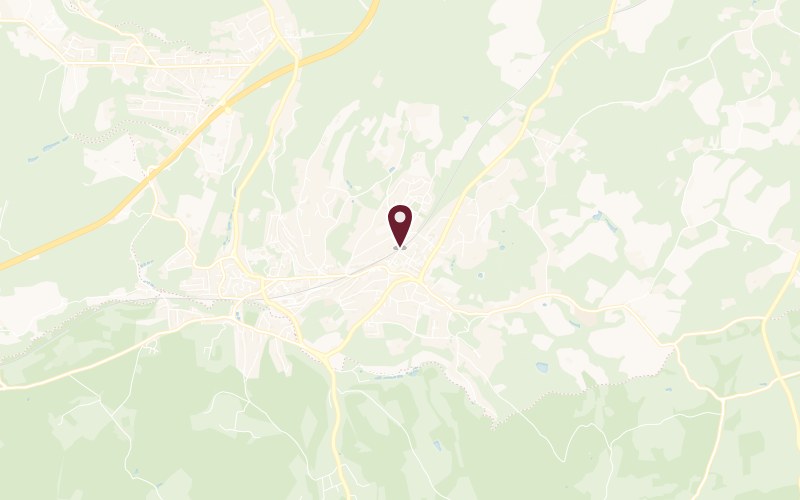
Keffolds, Haslemere
Surrey, England · 1968–1970
A large house just outside Haslemere, 45 miles south-west of London, where the FWBO held its annual retreats from 1968. The site of Sangharakshita's near-death illness — a fever of 104°F during which he felt suspended between life and death, in a state of 'profound tranquillity'.
 Limited access
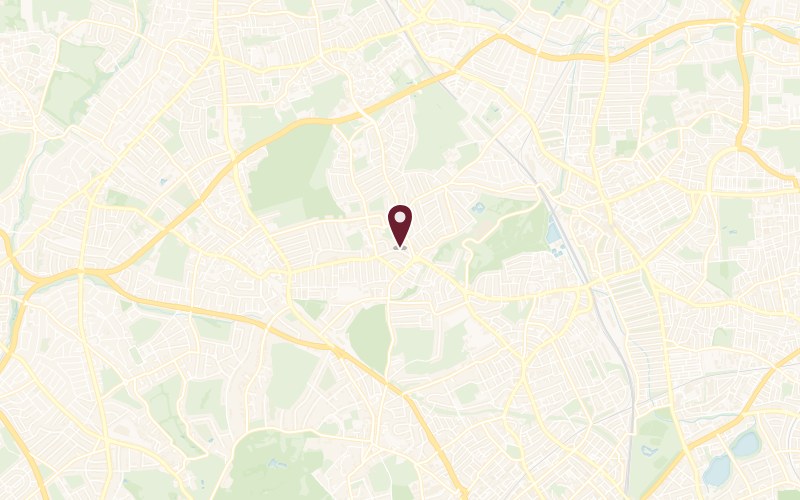
Flat and Community at Muswell Hill
Muswell Hill, North London, England · 1970–1973
After Highgate, Sangharakshita moved to Muswell Hill and was soon joined by Kevin Brooks and Graham Sowter, forming what he called a 'mini-community' of three. He wrote his memoirs here in earnest, completing nearly a whole chapter in a fortnight. He left for a sabbatical in India in 1973, describing Muswell Hill as 'virgin territory' as far as literary associations were concerned.
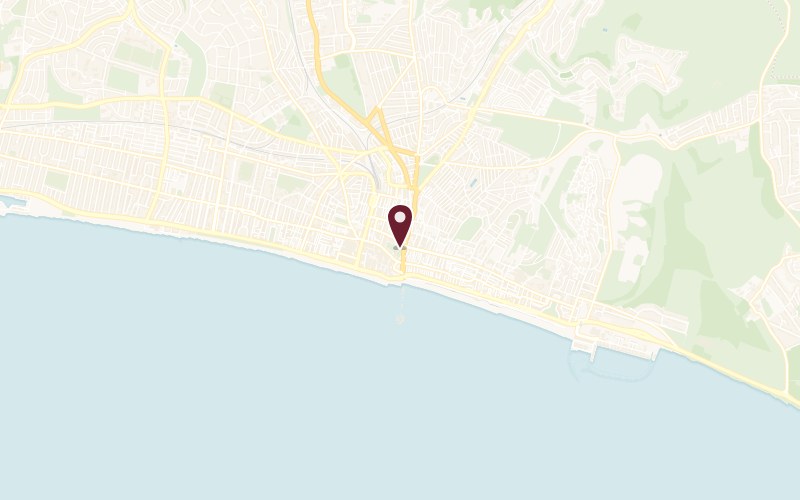
Brighton Buddhist Centre
Brighton, East Sussex, England · 1974–1994
Sangharakshita visited Brighton regularly, giving poetry readings and public talks. Founded by Buddhadasa in September 1974, the centre grew into a lively urban sangha with the Amitayus residential community. He gave his friendship poetry reading at the Royal Pavilion in February 1990 and attended poetry readings at the centre in July 1979.
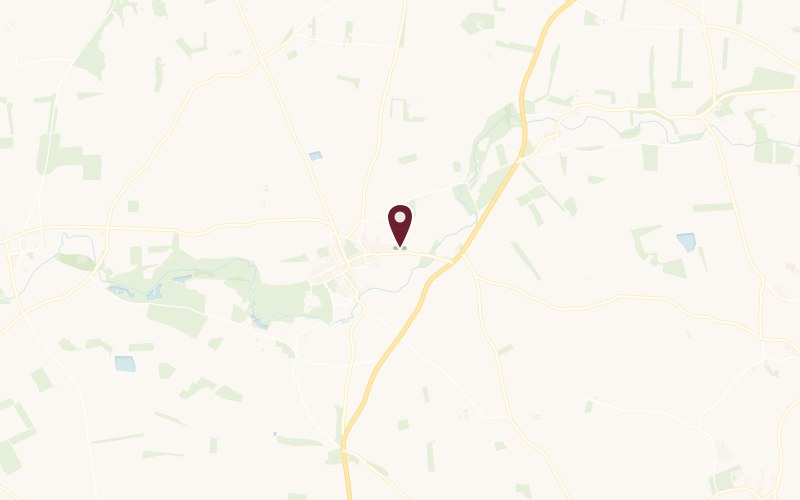
Castle Acre Cottage
Castle Acre, Norfolk, England · 1974–1976
Before acquiring Padmaloka, Sangharakshita and Vajrakumara lived together in a cottage at Castle Acre, a village in West Norfolk near a ruined Cluniac priory. Arranged by Buddhadasa in 1974, this was Sangharakshita's first rural English base during the FWBO years — 'a necessary stepping-stone to the purchase of Padmaloka two years later.'
Croydon Buddhist Centre
Croydon, South London, England · 1976–1994
Sangharakshita visited the Croydon Buddhist Centre regularly over two decades, giving poetry readings, meeting Order members, and staying for extended visits. The centre was closely connected to the Aryatara and Khadiravani communities. Hockneys, the right-livelihood vegetarian restaurant attached to the centre, was where he frequently dined with the local chapter.
Padmaloka Retreat Centre
Surlingham, Norfolk, England · 1976–2018
Padmaloka — 'lotus abode' — was Sangharakshita's primary residence for much of his FWBO years, a former farm in the village of Surlingham, Norfolk, purchased in 1976. He wrote and taught there, led ordination retreats, and kept his personal library in the room below his first-floor study. The grounds included a lily pond, gravelled drive, rose beds, and lawns over which swallows skimmed on summer evenings.
Glasgow Buddhist Centre (Heruka)
Kelvinside, Glasgow, Scotland · 1977–1994
Heruka was the FWBO centre and community in Glasgow, 'very picturesquely situated on the third floor of a handsome terrace house overlooking a tree-fringed river' in Kelvinside. Sangharakshita visited in August 1979, holding a large question-and-answer meeting attended by over a hundred people from across Scotland. A larger new premises was being acquired on Sauchiehall Street during his visit.
Norwich Buddhist Centre
Norwich, Norfolk, England · 1977–1998
The Norwich Buddhist Centre was established in 1977 in two terraced houses in Norwich by Devamitra, Sona, and Abhaya. Sangharakshita visited regularly from nearby Padmaloka, giving poetry readings (including his friendship reading in September 1990) and meeting the local sangha. Order members from the centre helped with community work at Padmaloka.
 Limited access
Tyddyn Rhydderch — Writing Retreat Cottage
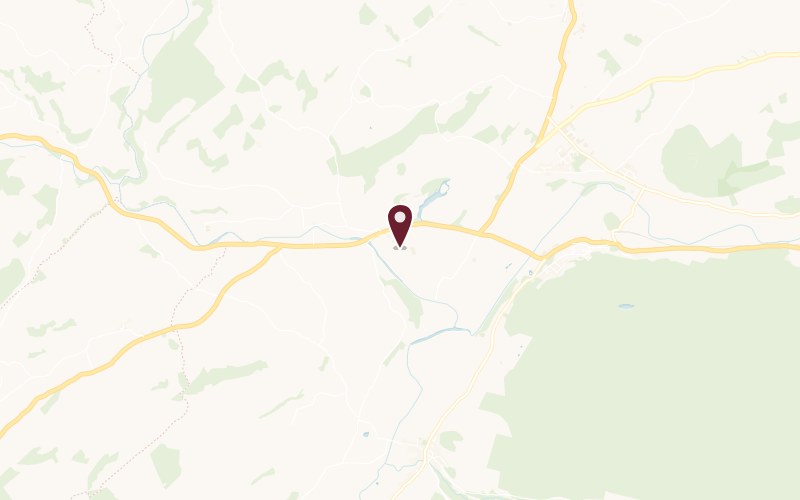
Near Corwen, North Wales, Wales · 1977–1993
Tyddyn Rhydderch ('little house of Rhydderch') is a stone cottage midway between Vajraloka and Vajrakuta in North Wales, owned by Order member Hridaya and rented by Sangharakshita for extended periods of writing, study, and rest. He came here in the mid-1970s, again in 1982 with Prasannasiddhi after the Winchester Mystics and Scientists conference, and in late 1993 with Paramartha for reflection on the future of the movement.
London Buddhist Centre
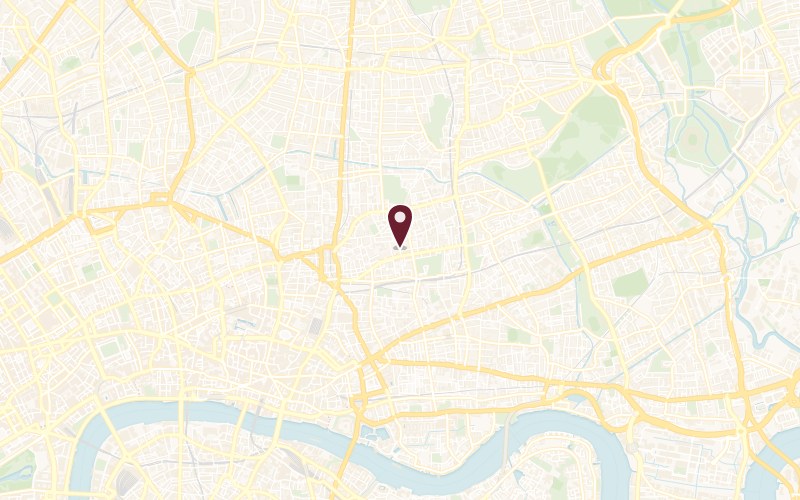
Bethnal Green, East London, England · 1978–2018
Sangharakshita's principal London base during the mature FWBO years, the London Buddhist Centre was created from a derelict Victorian fire station in Bethnal Green. Opened in January 1979, it became one of his two main residences for much of the following decade and the venue for major public lectures, Order Days, and book launches. He described Bethnal Green as occupying 'an important place in my history.'
Manchester Buddhist Centre (Gridhrakuta)
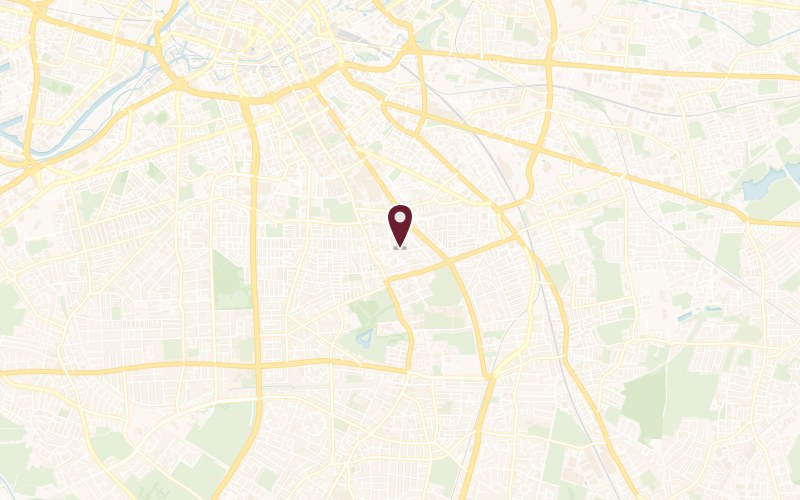
Withington, Greater Manchester, England · 1978–1994
Gridhrakuta ('Vulture's Peak') was the FWBO men's community and early Manchester centre, named after the hill near Rajgir where the Buddha taught. Sangharakshita visited in August 1979 on his return from India, New Zealand, and Australia, staying overnight. Later the sangha established a proper public centre in Withington. He also visited the Whitworth and City Art Galleries the following day.
Pancha Shila Vihara — FWBO's First Indian Base
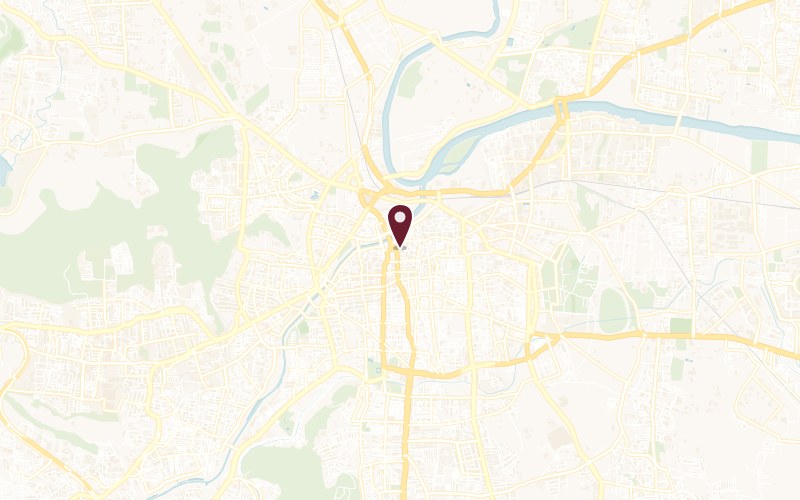
Parnakuti, Pune, India · 1979
The Pancha Shila Vihara was a 'tiny semi-detached bungalow' at the Ambedkar Housing Society in Parnakuti, Pune — the FWBO's first base in India. Sangharakshita stayed here for two weeks in February–March 1979, conducting an intense teaching programme across 80+ Buddhist localities serving Pune's 300,000 Buddhists. He described the Dharma as having been 'truly revived in India at last.'
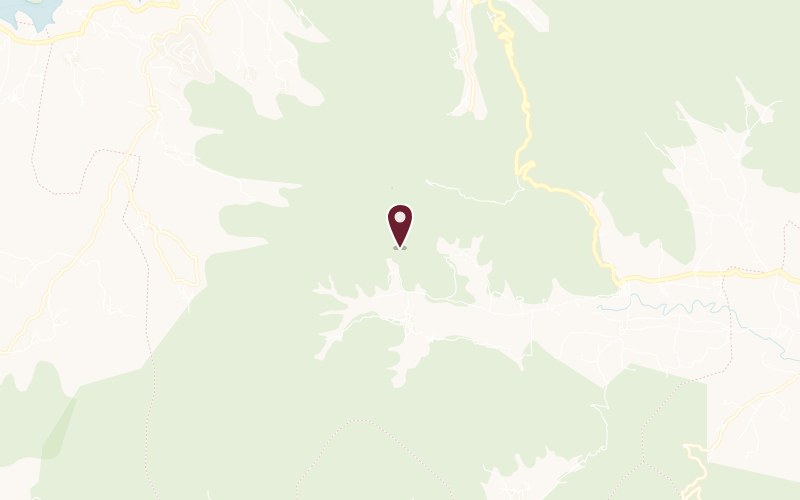
Sinhagad Fort — First Indian WBO Ordinations
Near Pune, Maharashtra, India · 1979
Sinhagad — a Maratha hill fort rising over a thousand feet above the Deccan plain, 25 miles outside Pune — was the site of the first Western Buddhist Order ordinations in India, in February 1979. Thirty-three people climbed to the fort for a three-day retreat culminating in ordinations. The fort is associated with the 17th-century Maratha hero Shivaji; Sangharakshita had first visited as a young monk in the early 1960s when it was 'bare and deserted.'
 Limited access
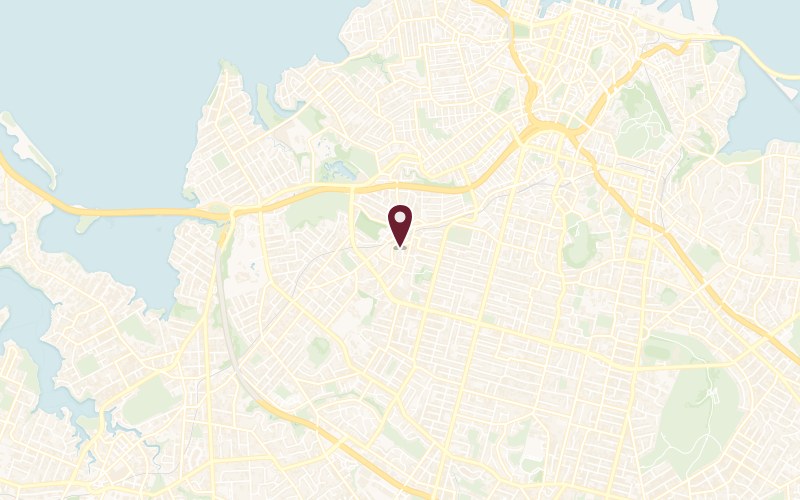
Suvarnaketu — Auckland Men's Community
Herne Bay, Auckland, New Zealand · 1979–1997
Suvarnaketu ('Golden Comet'), at 46 Sarsfield Street, Herne Bay, Auckland, was the FWBO men's community and centre that Sangharakshita visited on his 1979 Australasia tour and again in 1997. He arrived on 15 March 1979 — exactly one calendar month after leaving England — welcomed by Order members Megha, Purna, and Udaya. He conducted order meetings, study retreats, and ordination preparations here.
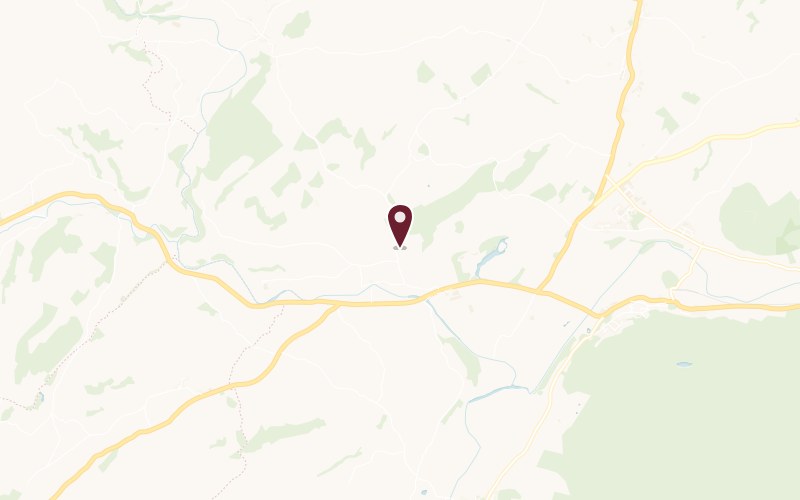
Vajraloka Buddhist Meditation Centre
Near Corwen, North Wales, Wales · 1979–present
Vajraloka — 'Diamond Realm' — began as Tyn-y-ddol ('cottage in the valley'), an old Welsh farmhouse near Corwen renovated by FWBO Order members from 1979. Sangharakshita visited to inspect progress and found the newly transformed shrine room 'Zen-like in its beauty and simplicity.' It became the FWBO's primary meditation retreat centre, specialising in solitary and group meditation retreats.
 Limited access
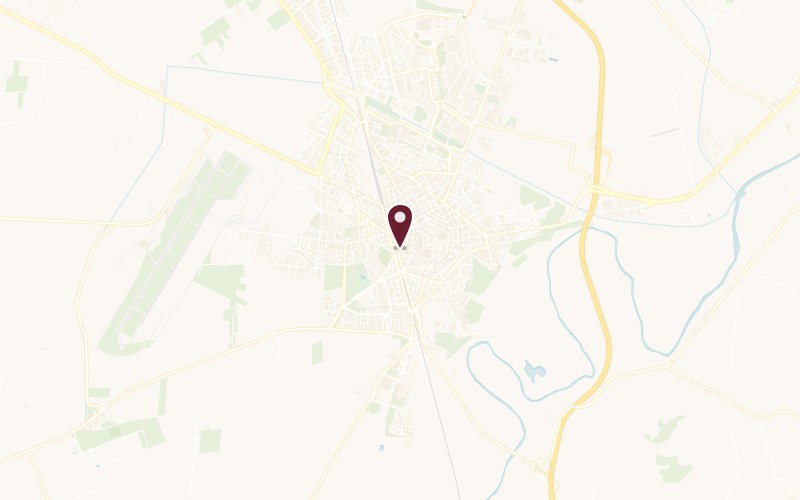
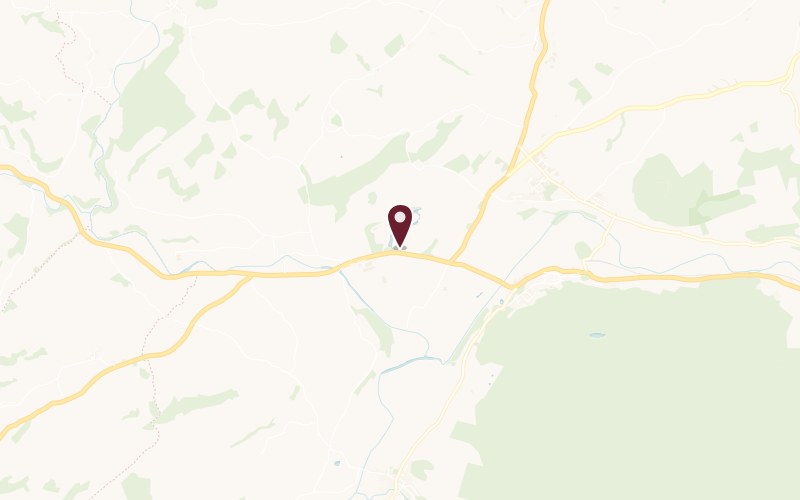
Il Convento — Men's Pre-Ordination Retreat
Near Grosseto, Tuscany, Italy · 1981–1993
Il Convento ('The Convent') was a former Christian monastery near Grosseto in Tuscany used annually by the FWBO for men's pre-ordination courses from 1981. Sangharakshita led these retreats and used the time to work on literary projects, edit transcripts, and lead evening question-and-answer sessions. He described walking the dusty Tuscan hillside tracks in hot September sunshine.
 Limited access
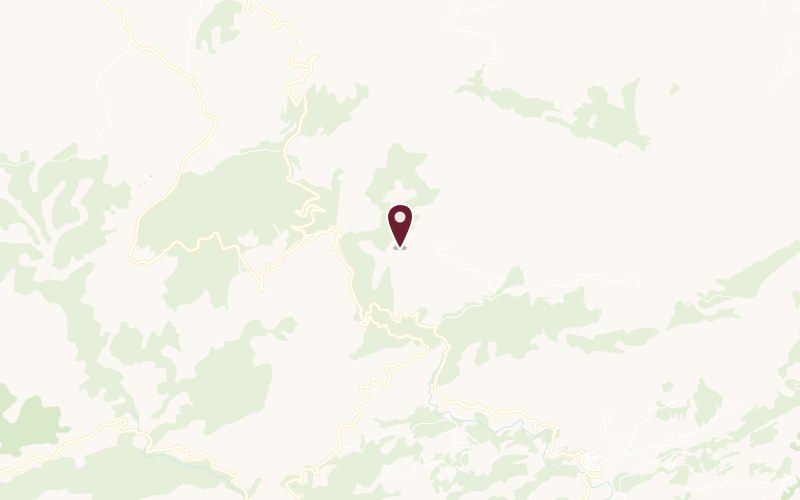
Vajrakuta — Buddhist Study Centre
Near Corwen, North Wales, Wales · 1984–2020
Vajrakuta ('Diamond Peak') was established in 1984 when Order member Prakasha purchased Blaenddol, a deserted stone farmhouse about 1 km from Vajraloka. It became the FWBO's first dedicated study centre. Sangharakshita visited during his Welsh stays and was 'greatly impressed by their evident emotional positivity and by the spirit of dedication' he found there.
 Limited access
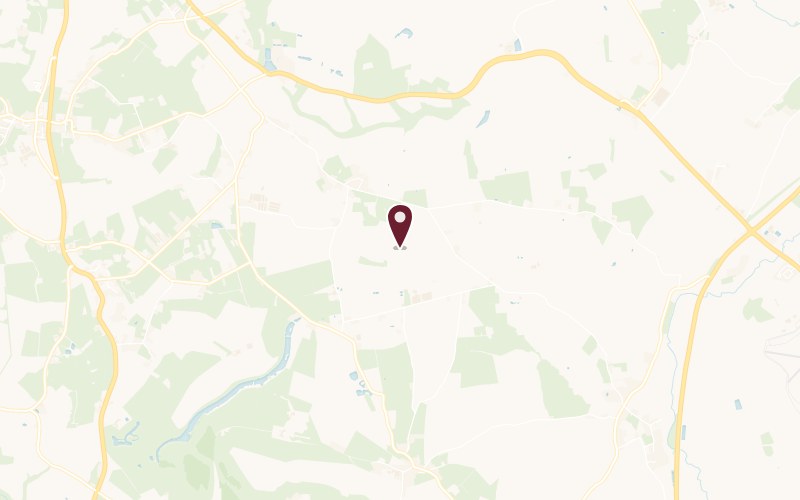
Guhyaloka Retreat Centre
Near Sella, Alicante, Spain · 1985–1998
Guhyaloka — 'Secret Realm' — is set in an isolated limestone valley in the mountains behind Alicante. Sangharakshita called it 'one of the most beautiful and inspiring places I have ever seen' and returned repeatedly for men's pre-ordination retreats and extended periods of writing. He had a personal cottage with a veranda looking up at sunlit cliffs, and a small shrine-room in a converted generator shed.
Taraloka Retreat Centre for Women
Near Market Drayton, Shropshire, England · 1985–present
Taraloka ('Realm of Tara') was the FWBO's pioneering women's retreat centre, founded in 1985, providing for the women's wing of the Order what Padmaloka provided for the men. The founding team — Sanghadevi, Ratnasuri, Karunasri, and Kulanandi — undertook much of the restoration work themselves. Sangharakshita attended retreats here and saw Taraloka as the complement to Padmaloka.
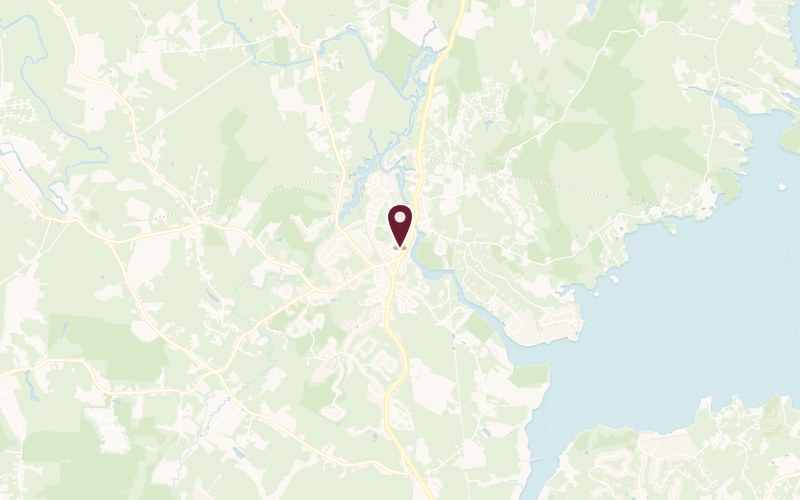
Aryaloka Retreat Centre
Newmarket, New Hampshire, USA · 1993–1996
Aryaloka was the FWBO's retreat centre and men's community in New Hampshire, and Sangharakshita's repeated base during his North American tours of 1993, 1994, and 1996. He stayed in 'a solitary retreat cabin in the woods' on each visit, dedicated the new shrine, and participated in visits to the White Mountains. The men's community, built largely by Order member Buddhapalita, was praised as 'a really quite magnificent place.'
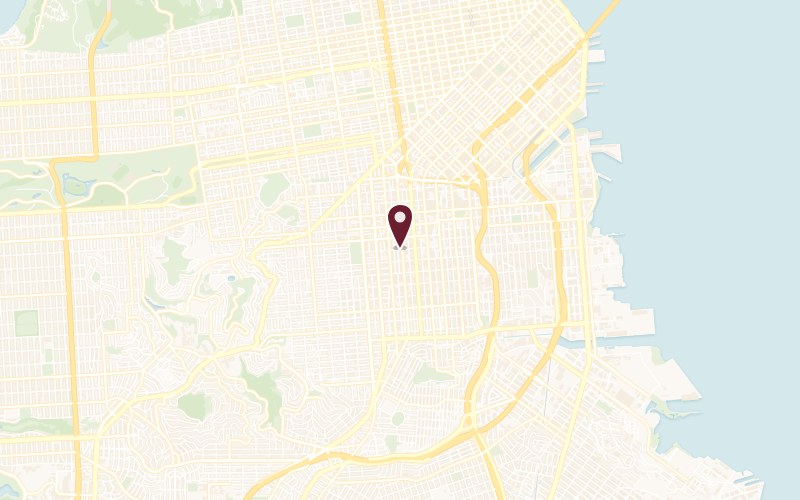
San Francisco Buddhist Center
Mission District, San Francisco, California, USA · 1993–1994
The FWBO's San Francisco Buddhist Center in the Mission District had men's and women's communities on separate floors of the same building. Sangharakshita visited in 1993 and 1994, giving a talk attended by exactly a hundred people on his second visit and dedicating the teaching room on the eve of his departure. He described the neighbourhood — predominantly Latino — as reminding him of Notting Hill.
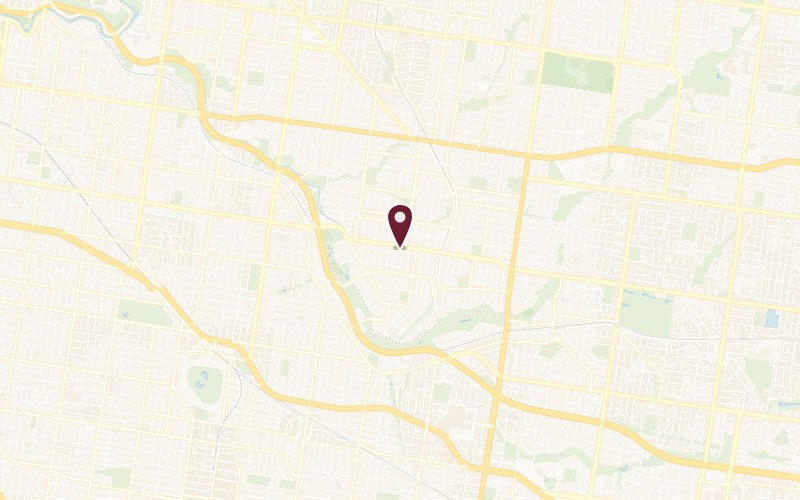
Melbourne Buddhist Centre
Camberwell, Melbourne, Victoria, Australia · 1996
The Melbourne Buddhist Centre was opened in July 1993 and hosted Sangharakshita for five weeks in October 1996 — his longest stay at any single overseas FWBO centre. He stayed with the men's residential community, explored the Camberwell second-hand bookshops, and was delighted to find the first hardback edition of his own 'The Three Jewels' and a long-sought copy of 'The Sayings of Elizabeth I.'
 Limited access
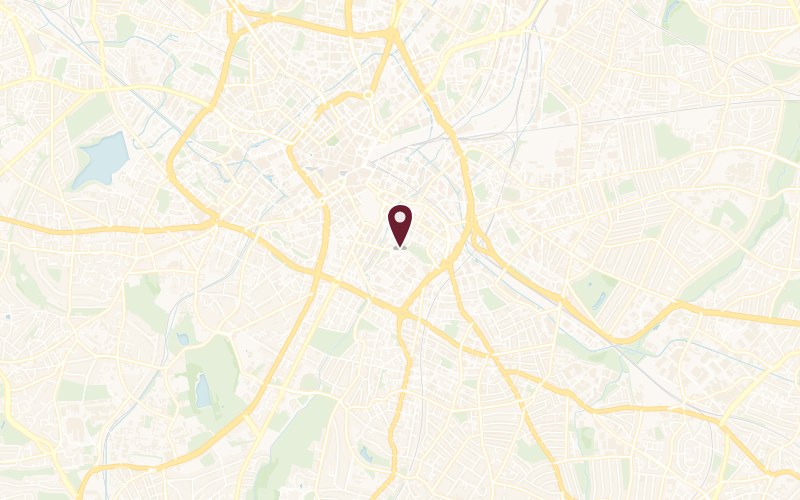
Madhyamaloka — Birmingham Men's Community
Birmingham, England · 1997–2013
Madhyamaloka in Birmingham was Sangharakshita's main UK base from his return after the 1996–97 Australasia tour until his move to Adhisthana in 2013. He wrote several memoir volumes here, dictated 'Precious Teachers' here in 2006 when partially sighted, and attended numerous RSC Shakespeare productions at nearby Stratford-upon-Avon. The community was enlarged and redecorated in his absence to receive him.
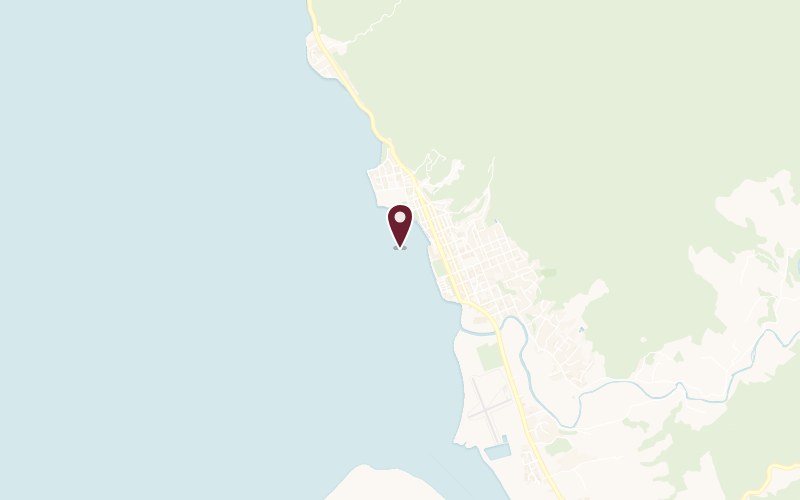
Tararu Retreat Centre
Thames, Coromandel Peninsula, New Zealand · 1997
Tararu Retreat Centre on the Coromandel Peninsula was the site where, on 16 February 1997, Sangharakshita enshrined a portion of Dhardo Rimpoche's ashes in a newly built stupa. Dhardo Rimpoche — one of Sangharakshita's most important Tibetan teachers in Kalimpong — was thus honoured in the southern hemisphere, connecting the old world of the Himalayas with the new world of the FWBO.
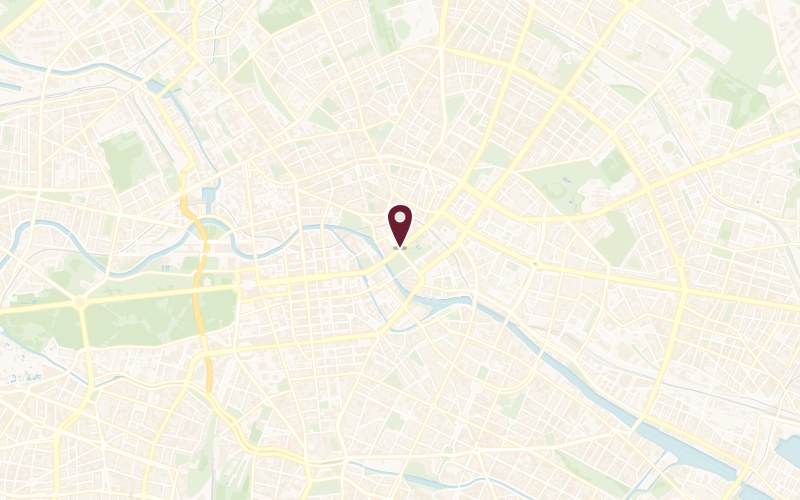
Berlin Tor Buddhistische — The Buddhist Gate
Berlin, Germany · 1998
The FWBO's Berlin centre — named the Buddhist Gate, Tor Buddhistische — was opened by Sangharakshita in a quick weekend visit in 1998. He gave a public talk, visited the German Romantic paintings of Friedrich and Schinkel at Charlottenburg Palace, and had dinner with twenty Order members and Mitras at a crowded Indian restaurant. It was Germany's first FWBO centre in the new capital.
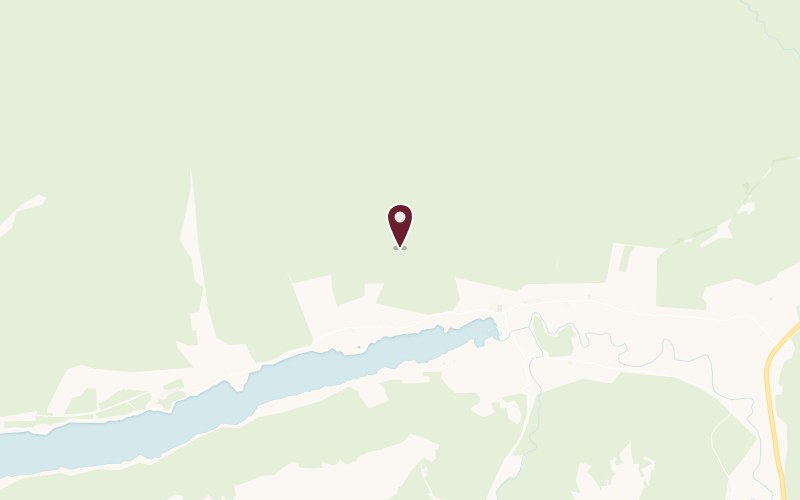
Dhanakosa Retreat Centre
Balquhidder, Loch Voil, Stirlingshire, Scotland · 1998
Dhanakosa retreat centre, on the banks of Loch Voil in the Scottish Highlands, hosted celebrations for the 25th anniversary of the FWBO's arrival in Scotland. Sangharakshita attended in 1998 and dedicated twelve Burmese-style Buddha images — one for each FWBO centre in Scotland — in a marquee on the grounds. He and Kovida stayed at a quiet guest house two miles further up the road at the head of the loch.
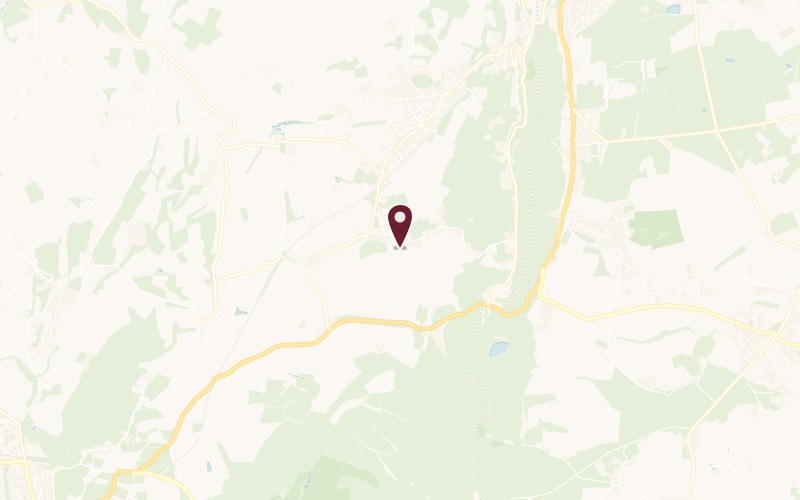
Adhisthana / Urgyen House
Coddington, near Malvern, Herefordshire, England · 2013–2018
Adhisthana, established in 2013 in the village of Coddington west of the Malvern Hills, became the UK headquarters of the Triratna Buddhist Community and the home of Sangharakshita for the last years of his life. Within its twenty-six acres stands Urgyen House, where he lived until his death on 30 October 2018. His living room, conservatory, and bedroom remain undisturbed, and the house is now open to pilgrims as a place of memory and practice. Adhisthana also holds the Sangharakshita Memorial Library, with thousands of his books gathered across a lifetime of travel.
No sites found. Try a different search or filter.