London
England
12 pilgrimage sites
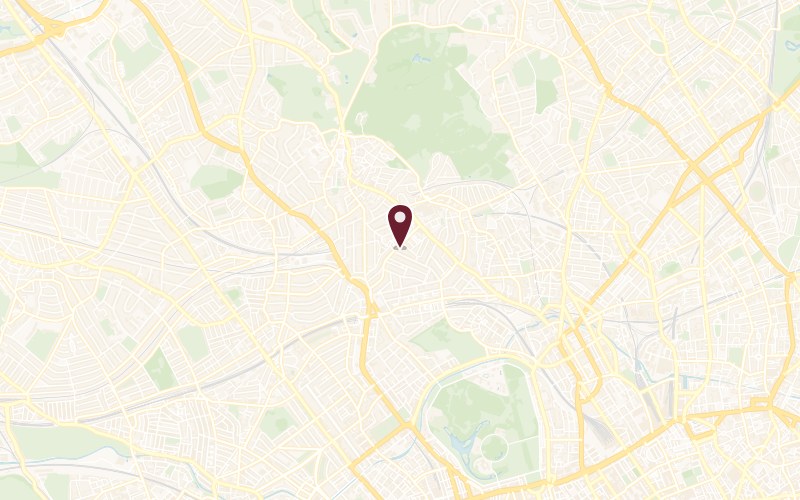
3 Lancaster Grove ('The Other Vihara')
London, England · 1965–1967
A flat equidistant from Belsize Park and Swiss Cottage stations that Sangharakshita called 'the Other Vihara' — his private retreat from the public life of the Hampstead Vihara, and the place where he felt his centre of spiritual gravity begin to shift in ways with 'far-reaching consequences for Western Buddhism'.
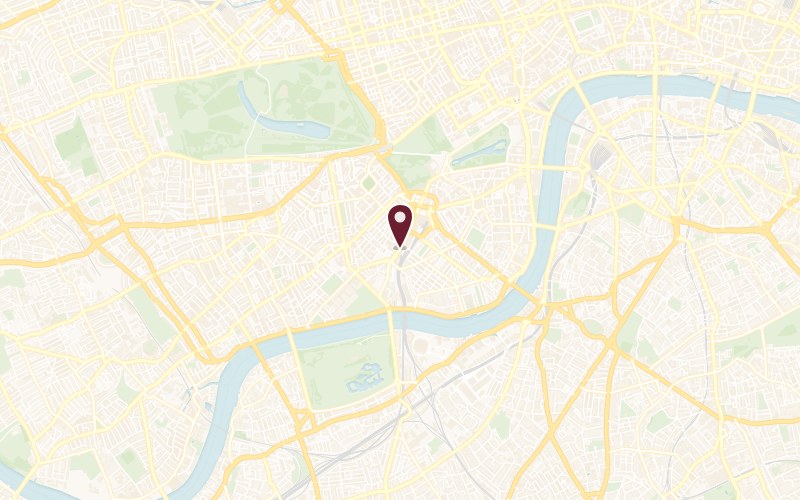
Buddhist Society, Eccleston Square
London, England · 1964–1967
The premises of the Buddhist Society near Victoria Station, where Sangharakshita lectured every Friday evening on his return to England. After lectures, ten or twelve participants would adjourn to the nearby Jiffy Bar for discussion.
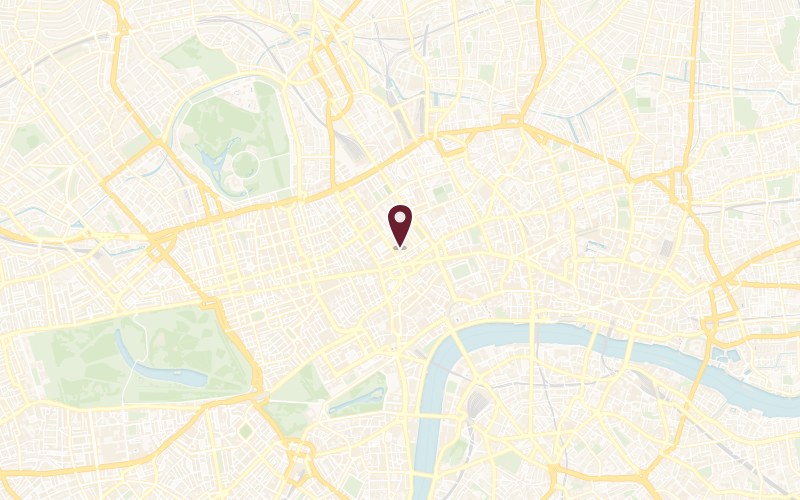
Buddhist Society, Great Russell Street (Early Premises)
London, England · c.1942–1944
The Buddhist Society at its Bloomsbury premises near the British Museum — where Sangharakshita attended meetings as a teenager, his first contact with an organised Buddhist community in England, before it later moved to Eccleston Square.
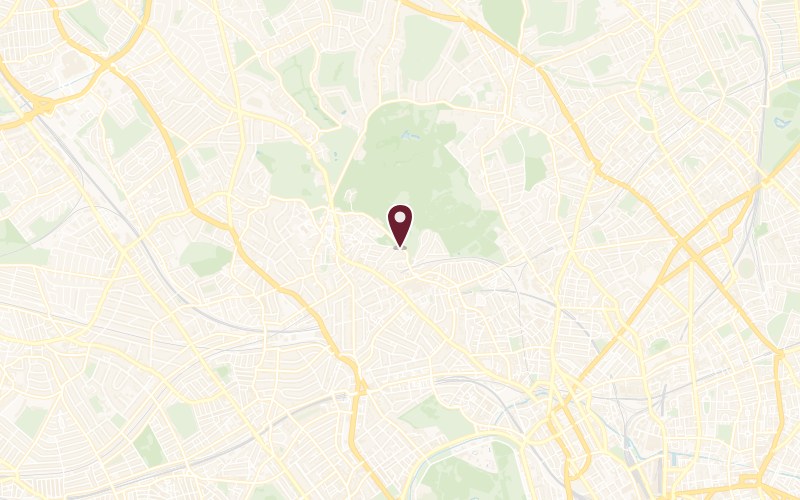
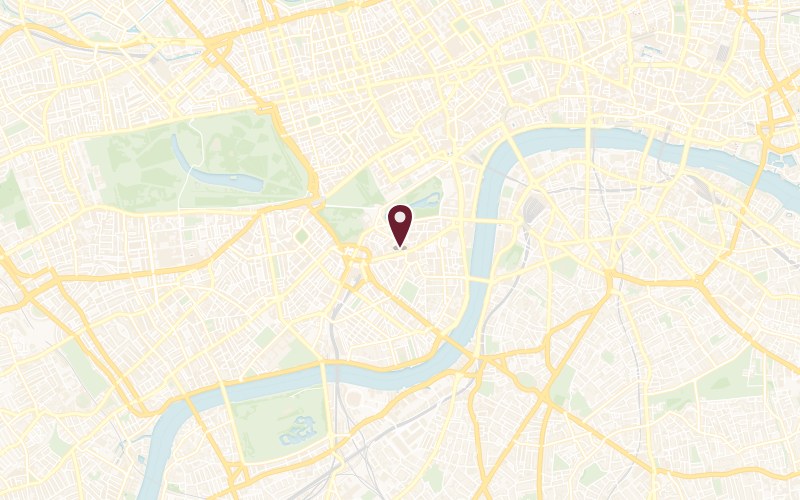
Burgh House, Hampstead
London, England · 1964–1965
An eighteenth-century house in the heart of old Hampstead used as a temporary lecture venue while the Hampstead Vihara's meeting room was being refurbished. Now a public museum and arts venue at Well Walk.
 Limited access
Caxton Hall, Westminster
London, England · 1965–1966
A public hall in Westminster used by the Buddhist Society for its annual Wesak celebrations. Sangharakshita gave the principal address at the 1965 and 1966 Wesak meetings here, urging a more joyful spirit in British Buddhist observance.
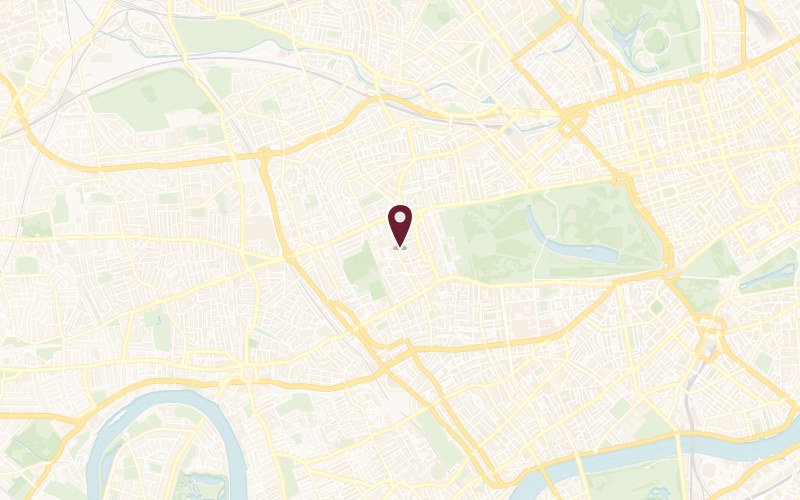
Centre House, Campden Hill Road
London, England · 1967–1970
A large Victorian building at the top of Campden Hill Road, Kensington, where the twelve founding members of the Western Buddhist Order were formally ordained on Sunday 7 April 1968 — and where Sangharakshita gave his influential autumn lecture series in 1969 and 1970.
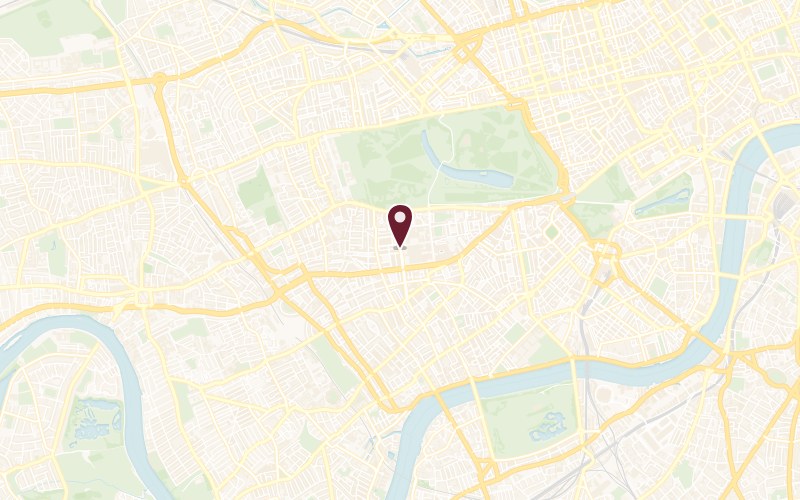
College of Psychic Science, South Kensington
London, England · 1965–1966
A college down a side street in South Kensington where Sangharakshita gave fortnightly lectures — and the place where Terry Delamare first approached him after the lecture 'Buddhism and the Problem of Death', beginning a friendship with far-reaching consequences for Western Buddhism.
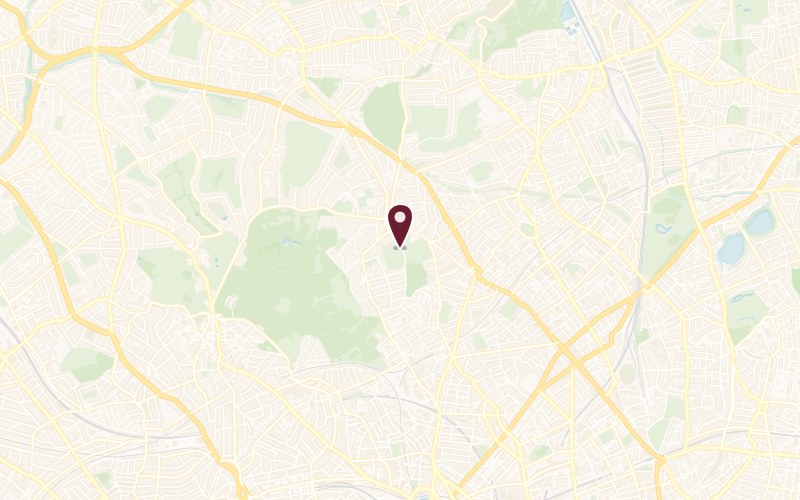
Flat at Highgate West Hill
London, England · 1967–1970
Sangharakshita's home on the third floor of an old terraced house at the lower end of Highgate West Hill — his principal residence during the most critical period of his life in England, covering the founding of the FWBO and the Western Buddhist Order.
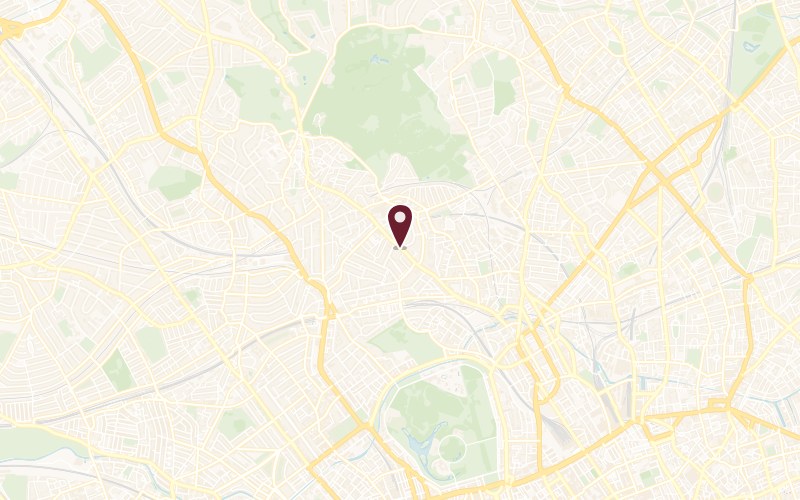
Hampstead Buddhist Vihara
London, England · 1964–1967
The institutional base from which Sangharakshita relaunched Buddhism in Britain after twenty years in India — a narrow Victorian terrace on Haverstock Hill, opposite a pub, a short walk from Belsize Park Underground.
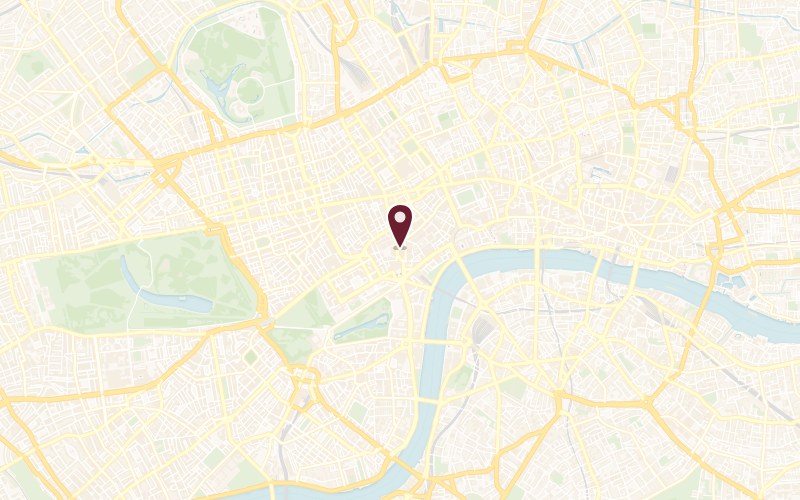
John Watkins Bookshop, Cecil Court, London
London, England · c.1942–1944
The specialist esoteric and Eastern religion bookshop on Cecil Court off Charing Cross Road — Sangharakshita's primary source for Buddhist and Theosophical texts before his army service, during the years when he was forming himself as a Buddhist.
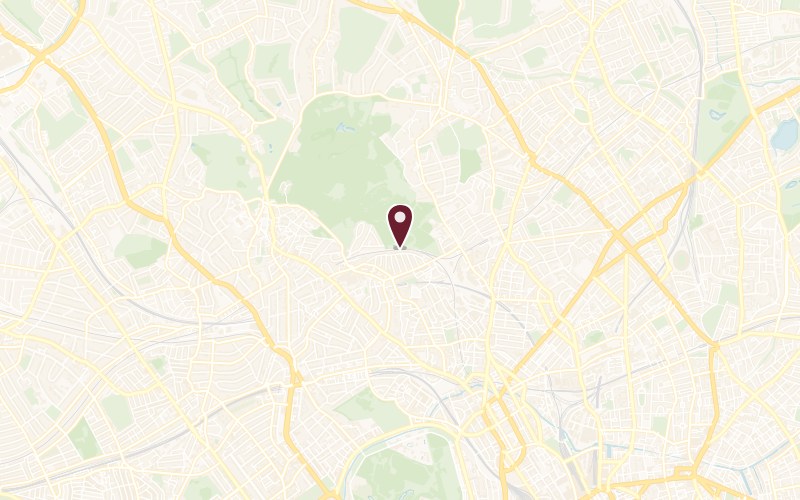
Parliament Hill and Hampstead Heath
London, England · 1965–1970
The broad open heath between Hampstead and Highgate was a recurring site of significance during Sangharakshita's England years — from midnight walks with Terry Delamare to the transformative experience on Parliament Hill in 1970.
 Limited access
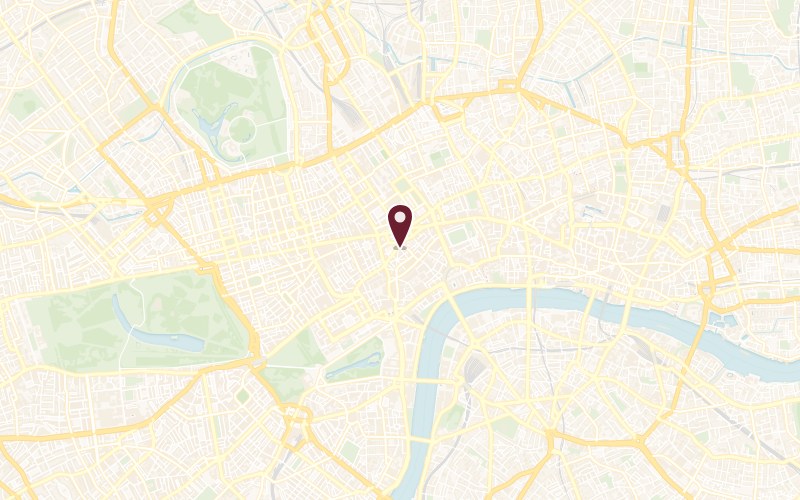
Sakura Basement / Triratna Shrine Room, Monmouth Street
London, England · 1967–1970
A tiny basement beneath the Japanese shop Sakura, halfway down Monmouth Street between Charing Cross Road and Covent Garden — the birthplace of the Friends of the Western Buddhist Order. Private ordinations into the Western Buddhist Order were given here in the ten days leading up to 7 April 1968.